Walk into any busy restaurant kitchen, manufacturing plant, or mid-sized hotel, and you’ll notice something interesting. You might not see the water system, but you’ll absolutely feel its presence. In the way the ice looks crystal clear. In the consistency of coffee. In the spotless glassware that comes out of the dishwasher.
Commercial water isn’t just about supply. It’s about performance.
For businesses, water quality and reliability aren’t minor conveniences—they’re operational necessities. When systems underperform, the consequences aren’t abstract. Equipment breaks down. Customers notice. Costs creep upward. That’s why modern commercial water treatment is becoming less about basic filtration and more about intelligent engineering.
The Demands of High-Volume Operations
Residential systems are one thing. Commercial environments are another world entirely.
A single-family home might process a few hundred gallons per day. A restaurant or healthcare facility can move thousands. Scale buildup happens faster. Regeneration cycles matter more. Flow rates must remain consistent even during peak demand.
This is where purpose-built solutions like the commercial ews series come into play. Designed specifically for higher-capacity environments, these systems focus on durability, efficiency, and precise control.
Unlike scaled-up residential units, true commercial systems are engineered with industrial-grade components. They account for fluctuating demand patterns—morning rushes, dinner service, shift changes. And they’re built to handle those surges without skipping a beat.
Because downtime, in a commercial setting, isn’t just inconvenient. It’s expensive.
Measuring Flow With Accuracy
One of the most overlooked aspects of commercial water treatment is measurement.
It sounds simple—water goes in, water gets treated, water flows out. But without accurate monitoring, systems can regenerate too early, too late, or inefficiently. That leads to wasted salt, excess water consumption, and inconsistent softening.
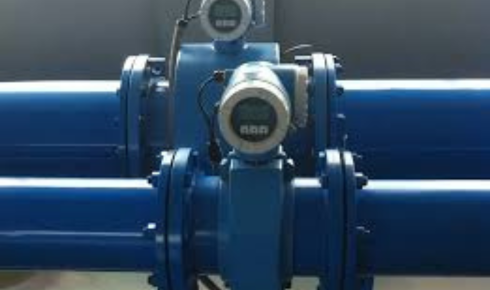
That’s where a turbine flow meter becomes crucial. Unlike basic paddle or timed systems, turbine meters measure actual water usage with higher precision. They spin proportionally to the flow rate, providing real-time data that informs regeneration cycles.
In practical terms, that means the system responds to reality—not estimates.
For a hotel or industrial facility, this level of control translates to better resource management. Less waste. More predictable maintenance schedules. And ultimately, lower operating costs over time.
Precision, in this context, isn’t just technical jargon. It’s operational strategy.
Smarter Regeneration for Better Efficiency
Regeneration is the heart of any water softening system. It’s the process where mineral-laden resin beads are flushed with brine solution, restoring their ability to soften incoming water.
In older systems, brine preparation was relatively static—pre-mixed and somewhat rigid. But newer technologies have introduced more responsive approaches, including the dynamic brine making system.
Instead of relying on fixed brine volumes, dynamic systems adjust based on real-time demand and system load. The brine solution is created and delivered more precisely, aligning with the exact requirements of the regeneration cycle.
Why does that matter?
Because salt efficiency directly affects operational costs. In large-scale commercial settings, even small inefficiencies multiply quickly. A smarter brine process reduces waste, conserves water, and ensures consistent softening performance.
And consistency is everything in business.
Beyond Softening: Protecting Equipment and Reputation
Hard water doesn’t just affect taste. It affects infrastructure.
Scale buildup on heating elements forces boilers and water heaters to work harder. Dishwasher components degrade faster. Coffee and espresso machines clog. Over time, this leads to increased energy consumption and more frequent repairs.
But the consequences aren’t purely mechanical. They’re reputational.
Imagine a guest in a hotel noticing cloudy shower doors or stiff towels. Or a restaurant patron detecting a faint mineral taste in their iced tea. These details seem small—but they shape perception.
Investing in advanced commercial water treatment systems isn’t just about equipment protection. It’s about brand experience.
The Value of Data in Modern Systems
Commercial operations thrive on data. Sales metrics. Inventory levels. Energy usage. Water systems are increasingly part of that data ecosystem.
With precise flow monitoring and intelligent regeneration controls, facilities managers can track consumption trends and anticipate maintenance needs before problems escalate.
This shift toward smarter infrastructure aligns with broader sustainability goals too. Efficient salt usage. Reduced wastewater. Lower energy demands. These aren’t just cost-saving measures—they’re environmental considerations.
And in today’s business climate, sustainability often influences public perception as much as pricing does.
Choosing the Right Commercial System
Not every commercial environment has identical water needs. A medical facility requires different treatment standards than a restaurant. A manufacturing plant may face unique mineral or chemical challenges depending on local water supply.
The first step should always be comprehensive water testing. Understanding hardness levels, iron content, pH balance, and total dissolved solids allows system designers to tailor solutions appropriately.
From there, factors like peak flow rates, regeneration frequency, and space constraints come into play. Commercial systems should be scalable and serviceable, with components designed for longevity rather than short-term fixes.
Working with experienced water treatment professionals makes a significant difference. The right partner won’t just sell equipment—they’ll design a system aligned with operational realities.
A Final Reflection
Water might seem like a background utility. But in commercial environments, it’s foundational.
Behind every smooth guest experience and efficiently running kitchen lies infrastructure that’s quietly doing its job. Systems that measure accurately. Regenerate intelligently. Adapt dynamically.
The best commercial water systems don’t demand attention. They simply perform—day after day, cycle after cycle.
And in business, that kind of reliability isn’t optional. It’s essential.