It’s easy to take water for granted. You turn on the tap, fill your glass, and drink — all without giving much thought to what might be in it. But behind the scenes, a whole world of science and precision is at play to make sure what you’re sipping is safe. Let’s explore the intricate path water takes to become clean, and why understanding it matters more than ever.
Water Isn’t Just “Water” Anymore
Gone are the days when you could just scoop water from a stream and trust it completely. Between agricultural runoff, industrial waste, aging municipal systems, and even microplastics, the water arriving at your home often carries a cocktail of unseen intruders. That’s why modern filtration systems are more sophisticated — and necessary — than ever before.
You see, a single glass of water might’ve passed through several filtration stages before it reaches your lips. From sediment filters that remove sand and rust to activated carbon that absorbs chlorine and volatile organic compounds (VOCs), each stage plays a unique role. Some systems go even further, incorporating UV purification or reverse osmosis to tackle bacteria and heavy metals.
When Clean Isn’t Clean Enough
You’d think municipal water treatment plants would have it all covered, right? Not exactly. While municipal systems do a solid job removing the worst offenders, they can’t always account for everything. Lead from old pipes, trace pharmaceuticals, and chemical byproducts often slip through. And for people with specific sensitivities — or those living near compromised sources — that’s a serious issue.
This is where the concept of high purity water becomes more than just marketing jargon. It’s about water that isn’t merely “safe,” but free of nearly all impurities — something that matters for home use, medical settings, and manufacturing alike. If you’ve ever tasted water from a lab-grade purification system, you’ll know: it’s almost like drinking air.
The Importance of a Thoughtful Setup
Now, you might be tempted to grab a random filter from your local store and call it a day. But slow down. Filtration isn’t a one-size-fits-all solution — your home’s specific water source, pipe infrastructure, and even household habits should guide your choices.
Let’s say your area has particularly hard water with lots of calcium and magnesium. A basic carbon filter won’t fix that. You’d need a system that includes a softening unit. Or maybe you’re worried about bacteria from a well. In that case, UV purification is key.
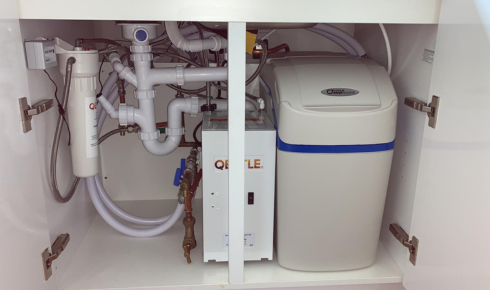
And then there’s the practical side. Where do you install it? Under the sink? At the main line entering the house? Your needs — and your willingness to invest — will determine the best path forward. But one thing’s certain: filter installation done right can dramatically improve your water’s safety, taste, and smell.
A Personal Take: When the Water Changed
I’ll never forget the moment I started caring about all this. It wasn’t a big, dramatic crisis. Just one day, the water started tasting…off. Metallic. Almost musty. We had a newborn at the time, so I panicked and did what most people do — Googled everything.
What followed was a deep dive into local water quality reports, a surprising discovery of high lead levels in our neighborhood’s pipes, and eventually the installation of a multi-stage filtration system with carbon, reverse osmosis, and remineralization. The difference? Night and day.
Now, every time I fill a bottle or wash fruit, I know what’s not in that water — and that gives me peace of mind.
Why Better Water Isn’t Just a Luxury
Let’s be real — access to good water should be a given. But in today’s world, it often takes a bit of effort. Whether you rent or own, live in a city or off-grid, there’s probably something you could do to make your water cleaner and healthier.
And it’s not just about what you drink. Think about cooking, bathing, watering your plants, making baby formula, brewing coffee. Clean water touches everything.
That’s why so many companies now offer customized drinking water solutions tailored to your specific needs. Some even include smart monitoring systems that alert you when filters need replacement or when quality drops. It’s like having a water sommelier in your home — minus the snobbery.
What to Look for When Shopping Filters
If you’re just beginning your journey into better water, here’s a quick tip list:
- Know your water source. City water? Well water? That determines the contaminants you might face.
- Read local water quality reports. Most municipalities publish these online.
- Decide on scope. Do you want to filter all your home’s water, or just the kitchen tap?
- Check certifications. NSF-certified filters are tested for performance.
- Plan for maintenance. Filters don’t last forever. Know when and how to replace them.
A little research goes a long way — and could save you from wasting money on a system that doesn’t address your actual concerns.
Final Sips of Thought
Water is so basic, so essential, that it’s easy to forget how complex it really is. And while it might feel overwhelming to dive into the world of filters and contaminants, the payoff is worth it. Better health. Better taste. Fewer unknowns.