

You probably don’t think much about your tap water—until you do. Maybe it’s the faint chlorine smell when you fill a pot for pasta. Maybe it’s the way your coffee tastes slightly bitter, even though you bought good beans. Or maybe it’s just that quiet, lingering question in the back of your mind: what’s actually in this water?
Most municipal water systems meet safety standards. That’s important. But “safe” and “ideal” aren’t always the same thing. Trace minerals, dissolved solids, and residual disinfectants can still be present. Not dangerous, necessarily—but noticeable.
That’s why more homeowners are exploring reverse osmosis water systems as a way to take control of what flows from their kitchen tap.
What Reverse Osmosis Actually Does
Reverse osmosis, often shortened to RO, sounds technical—and it is—but the concept is surprisingly simple. Water is pushed through a semipermeable membrane that blocks many dissolved impurities. The result is water that’s significantly stripped of unwanted substances.
We’re talking about dissolved salts, certain heavy metals, nitrates, and other contaminants that standard carbon filters might not fully address. It’s not magic. It’s pressure and precision.
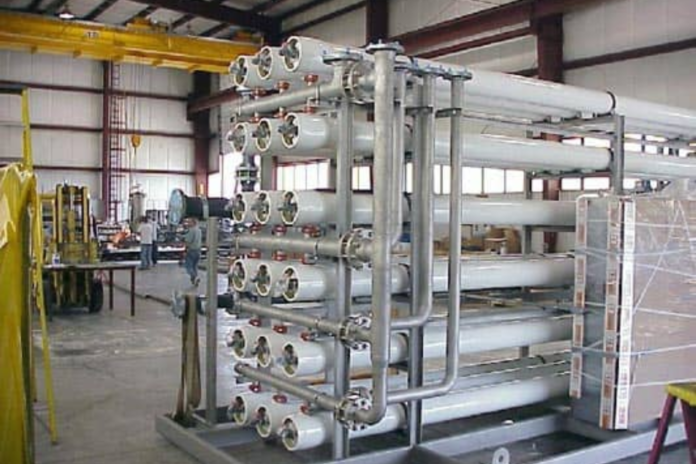
Most home RO units are installed under the kitchen sink. They include pre-filters, the membrane itself, and post-filters to refine taste. The treated water flows through a separate faucet, giving you access to highly filtered water for drinking and cooking.
It’s not a whole-house solution. It’s targeted. Focused. And for many households, that’s exactly what they want.
Why Taste Changes Matter More Than You Think
Here’s something interesting: once you switch to RO water, you often notice the difference immediately. Tea tastes smoother. Ice cubes look clearer. Even plain water feels lighter on the palate.
That’s because of effective contaminant reduction. Removing dissolved solids changes flavor in subtle but meaningful ways. Chlorine notes disappear. Metallic aftertastes fade.
It’s not that your previous water was unsafe. It’s that it carried background elements your senses were quietly registering.
For families who rely heavily on tap water for drinking, cooking, or baby formula preparation, that improvement feels worth it.
The Practical Benefits Beyond Taste
Reverse osmosis systems aren’t only about flavor. They also reduce scale-forming minerals in drinking water, which can help protect small kitchen appliances like kettles and coffee makers.
Less buildup means fewer descaling sessions. It also means clearer glassware over time.
And then there’s bottled water. Many households purchase cases of bottled water weekly, either for taste reasons or perceived safety. Installing an RO system often reduces—or eliminates—that expense.
The convenience factor alone can be compelling. No more hauling heavy cases from the store.
Is Reverse Osmosis Necessary for Everyone?
Not necessarily.
If your water tastes fine and tests show low contaminant levels, a basic carbon filter may be sufficient. RO systems shine in areas where water contains higher dissolved solids or specific contaminants of concern.
The smartest starting point is a water test. It reveals what’s actually present and whether advanced filtration is warranted.
Installing an RO unit without understanding your water profile is a bit like buying prescription glasses without an eye exam. It might work—but it might not be what you truly need.
Maintenance: What to Expect
Like any filtration system, reverse osmosis requires upkeep. Pre-filters and post-filters typically need replacement every 6 to 12 months. The membrane itself may last two to three years, depending on usage and water quality.
Maintenance isn’t complicated, but it’s essential. Neglecting filter changes reduces performance and may shorten the system’s lifespan.
The good news? Most homeowners find the process straightforward once they’ve done it once.
Addressing Common Misconceptions
Some critics argue that RO water removes beneficial minerals along with unwanted ones. Technically, that’s true—it’s thorough.
However, most of the minerals we need come from food rather than drinking water. And for those who prefer it, remineralization cartridges can reintroduce small amounts of beneficial minerals after filtration.
Another concern is water waste. Traditional RO systems do produce wastewater during the filtration process. Modern designs, though, are becoming increasingly efficient.
It’s about balance. Understanding tradeoffs and deciding what matters most for your home.
The Feeling of Control
There’s something empowering about knowing exactly how your drinking water is treated. You’re not relying solely on municipal processes or hoping your pipes are in perfect condition.
You’ve added an extra layer of control.
For many households, that peace of mind is the true benefit of having access to consistently purified water. It’s not flashy. It doesn’t change your kitchen’s appearance dramatically.
But it changes your relationship with something you use every day.
A Thoughtful Investment in Everyday Life
Reverse osmosis isn’t a necessity for everyone. But for those concerned about taste, dissolved solids, or specific contaminants, it offers a reliable solution.
The key is informed decision-making. Test your water. Understand your needs. Compare options carefully.
When done thoughtfully, installing an RO system becomes less about fear and more about refinement. It’s about improving something basic and essential.
Because water isn’t just another household utility. It’s part of your morning routine, your family dinners, your late-night glass by the sink.
And when what flows from your tap tastes clean, neutral, and dependable, that small daily moment feels just a bit better.