

Hard water doesn’t usually feel like a crisis. It feels like a mild annoyance that never quite goes away. You scrub the faucet. You descale the coffee maker. You buy another bottle of rinse aid because the dishes still look cloudy.
And eventually, you start wondering whether there’s a better way to handle it.
Water softeners have been around for decades, and they’re effective. But today’s systems aren’t the same as the bulky, salt-hungry units from years ago. Technology has evolved. Efficiency matters more. And homeowners are paying closer attention to both performance and sustainability.
If you’re exploring options, it’s worth understanding what modern softening systems actually offer.
Why Hard Water Needs More Than a Quick Fix
Hard water contains calcium and magnesium. Those minerals attach to surfaces when water evaporates or heats up, forming scale. Over time, scale reduces appliance efficiency, clogs pipes, and makes soap less effective.
It’s not dangerous, but it’s frustrating. And left untreated, it quietly increases maintenance costs.
A reliable water softening solution addresses that mineral content directly. Instead of allowing calcium and magnesium to flow through your plumbing, softeners use ion exchange to replace those minerals with sodium or potassium.
The result? Water that behaves differently—cleaner rinsing, softer fabrics, smoother skin after showers.
The Salt Conversation
Traditional softeners regenerate on a timer. Whether you’ve used a lot of water or not, they cycle at preset intervals. That approach works, but it’s not always efficient.
Modern systems monitor actual water usage. They regenerate only when needed. That shift alone can lead to reduced salt usage, which lowers operating costs and decreases environmental impact.
For many homeowners, that matters. Fewer bags of salt to haul. Less waste going into the wastewater system. More control over resources.
Efficiency isn’t just about saving money. It’s about reducing unnecessary consumption.
Faster Doesn’t Mean Compromised
Another improvement in newer systems is rapid regeneration capability. Instead of long, drawn-out cycles that may take hours, advanced units can refresh their resin beds more quickly.
Why does that matter?
Because water use doesn’t stop just because the softener is regenerating. Faster cycles reduce downtime and minimize the chance of untreated water slipping through during peak usage.
For larger households, that’s a practical benefit. You don’t have to time showers or laundry around the system’s schedule.
It works in the background, quietly.
Matching the System to Your Needs
One mistake homeowners make is assuming bigger is always better. Oversized systems waste salt and water. Undersized systems regenerate too often and wear out faster.
The right approach starts with testing. Measure your hardness level accurately. Calculate your household’s daily water consumption.
From there, you can choose a system sized appropriately for your needs. Not what your neighbor bought. Not what the advertisement suggests. What your water requires.
Data beats guesswork every time.
Maintenance Realities
Let’s keep this grounded. No water softener is maintenance-free.
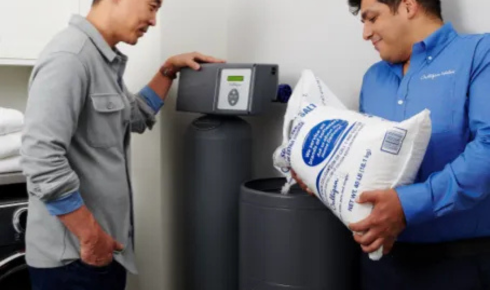
Salt needs refilling. Brine tanks should be cleaned occasionally. Resin beds may require servicing over the years.
But modern systems simplify these tasks. Clear displays, demand-based controls, and accessible components make upkeep manageable.
Maintenance isn’t complicated. It’s consistent.
And consistent care keeps performance steady.
Beyond Softening
Softening addresses hardness, but it doesn’t filter out chlorine, sediment, or other contaminants. In some homes, pairing a softener with additional filtration makes sense.
A whole-house sediment filter protects plumbing from debris. A carbon filter at the kitchen sink improves taste and odor.
Water treatment is rarely one-size-fits-all. It’s layered.
Cost vs. Long-Term Savings
The upfront investment in a softener can feel significant. But consider the long-term costs of untreated hard water.
Scale reduces water heater efficiency. Appliances wear out sooner. Extra detergent adds up. Plumbing repairs aren’t cheap.
When you look at the bigger picture, an efficient system often pays for itself over time.
And there’s something intangible, too.
When your water feels soft and consistent, daily routines feel easier. You stop noticing what used to frustrate you.
The Emotional Side of Water
Water is personal. It touches your skin. Your food. Your home.
When it’s working against you, even subtly, it changes how your house feels.
Fixing that isn’t about chasing perfection. It’s about comfort and reliability.
Final Thoughts
If hard water has been quietly wearing down your appliances and patience, it may be time to consider a smarter approach.
Look for systems designed with efficiency in mind. Demand-based regeneration, faster cycles, and lower salt consumption aren’t marketing buzzwords—they’re practical improvements.
Test your water. Understand your usage. Choose a system aligned with your actual needs.
Because when your water works the way it should—soft, efficient, and dependable—you’ll probably stop thinking about it altogether.
And honestly, that’s the point.