
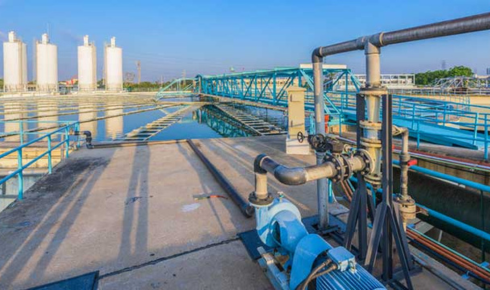

We don’t really think about water until something goes wrong. A sudden drop in pressure, a boil advisory, a leak in the street that turns into a mini river. Until those moments hit, clean water just feels like a given. It’s always there—until it’s not.
But behind the scenes, a whole world of pipes, pumps, policies, and people are constantly working to make sure you can brush your teeth, wash your dishes, and fill that big pot for pasta on a weeknight without a second thought. And at the heart of all that quiet reliability? Infrastructure—planned, built, maintained—mostly out of view.
And while it may not grab headlines like tech or tourism, reliable infrastructure is what makes cities livable, safe, and frankly, pleasant. It’s the kind of thing that only becomes visible when it starts to fail. Which is precisely why we should be talking about it more.
Municipal Water: More Than Just a Tap
Most folks assume water just shows up because… well, it always has. But delivering clean water to homes and businesses isn’t just a matter of connecting pipes. It’s chemistry. It’s logistics. It’s people working around the clock to test, monitor, and manage complex systems.
Municipal water systems are the unsung heroes here. They’re often decades old—some even a century—and still serving thousands of residents. That’s impressive, but also a little concerning. Because the truth is, many of these systems are overdue for upgrades. Aging pipes leak. Outdated treatment plants struggle to meet modern standards. And climate changes? They’re throwing curveballs no one planned for back in 1960.
Still, many local governments are stepping up—replacing old mains, modernizing filtration systems, installing real-time monitoring. The work is slow, expensive, and invisible to most. But it matters deeply.
When Water Service Becomes Personal
It’s easy to overlook how personal water service really is. It’s not just a utility. It’s woven into everything—from hygiene to hydration to the flow of everyday routines. When something interrupts that flow, it doesn’t feel like a minor inconvenience—it feels like chaos.
Picture trying to cook dinner during a water outage. Or having to boil water for every glass you drink. Or worse, dealing with brown water and worrying whether it’s safe to bathe your kids. These aren’t just “technical issues”—they’re real-life disruptions.
Good water service isn’t just about water quality—it’s about peace of mind. And in many communities, trust in the system runs deep. But that trust? It’s earned, not assumed. And keeping it means staying ahead of problems, not reacting to them after the fact.
Infrastructure Is More Than Just Pipes and Pumps
Here’s the thing: infrastructure isn’t just a technical challenge—it’s a human one. It’s about foresight, funding, political will, and community engagement. It’s about choosing to fix the unglamorous stuff before it becomes a full-blown crisis.
Investing in infrastructure doesn’t make for sexy campaign slogans, but it does make life measurably better. Fewer water main breaks. Less lost water. Better pressure. Safer drinking water. Infrastructure is where policy meets practicality—and where long-term thinking pays off in stability.
What often gets overlooked is how infrastructure investment supports other goals, too: sustainability, public health, economic development. A growing business won’t move into a city where basic utilities are unreliable. And a family won’t buy a home where water quality is questionable.
Why We Need to Pay Attention Now
There’s a quiet urgency to all of this. Climate stress is increasing, and weather events are becoming more extreme. Aging systems are buckling under the weight of time. And deferred maintenance doesn’t go away—it gets more expensive.
The good news? We’re seeing a shift. Local governments, regional planners, and even everyday residents are starting to ask the right questions: What’s beneath our streets? How old is it? When will it need to be replaced? And how can we make sure our kids aren’t left with a bigger mess?
There’s also a growing push toward equity—making sure all communities, not just affluent ones, have access to safe, consistent water. Infrastructure isn’t just about engineering. It’s about fairness.
A Quiet Job Done Right
In the end, the best water infrastructure is the kind you don’t have to think about. When it works, it fades into the background, letting life run on autopilot. That’s the beauty of it—and also the danger. Because invisibility can breed neglect.
But when cities, towns, and citizens recognize the value of these unseen systems, they start to treat them with the respect they deserve. That means investing now to prevent headaches later. Listening to utility workers who know the system inside and out. Supporting the upgrades that make the future more secure.
So the next time your faucet flows clear, the pressure’s perfect, and everything just works—take a second. That moment of comfort and convenience? It’s built on years of planning, labor, and upkeep.
Let’s not take it for granted. Because reliable infrastructure isn’t magic. It’s maintenance. And it’s worth every drop of attention.