

There’s something quietly reassuring about turning on the tap and watching a steady stream of water pour into your glass. It looks clear. It smells fine. You take a sip and move on with your day.
But every now and then, something shifts. Maybe the water seems slightly cloudy in the morning. Maybe there’s a faint taste you can’t quite identify. Maybe you’ve just started thinking more about what your family consumes daily.
Water has a way of becoming invisible—until it isn’t.
And that moment of awareness? It’s not a bad thing. It’s the beginning of paying attention.
Why Clear Doesn’t Always Mean Clean
Most municipal water supplies meet safety regulations, and that’s important. But “meets standards” doesn’t always translate to ideal taste, clarity, or confidence.
Water can contain residual disinfectants like chlorine. Minerals can affect texture. Tiny air bubbles may cause temporary cloudiness. In homes with older plumbing, additional variables can enter the picture.
That’s why many families begin exploring ways to ensure safe drinking water at home—not out of fear, but out of care.
It’s less about chasing perfection and more about reducing uncertainty. When you understand what’s in your water, you gain a sense of control. Testing is often the first step. Hardness levels, pH balance, dissolved solids—these numbers tell a story.
And once you know the story, you can respond thoughtfully.
The Subtle Beauty of Clarity
Cloudy water isn’t always dangerous. Sometimes it’s simply air trapped in the line. But visual clarity influences how we feel about what we’re drinking.
There’s something psychologically comforting about improved water clarity. It reinforces trust. It removes doubt.
Systems designed to reduce sediment and fine particles can deliver improved water clarity in a way that’s immediately noticeable. Ice cubes freeze clearer. Glasses look cleaner. Even soups and broths appear brighter.
It’s not dramatic. It’s just… cleaner.
And that visual difference can make a surprisingly big impact on daily confidence.
Water and Everyday Family Life
Think about how often water touches your household routine.
Morning coffee. Kids filling reusable bottles before school. Cooking pasta. Washing fresh produce. Bathing toddlers. Filling the dog’s bowl.
Water isn’t just something you drink—it’s woven into every part of family life.
That’s why many homeowners think in terms of family water care rather than just filtration. It’s a broader mindset. It includes protecting plumbing from scale buildup. Ensuring appliances run efficiently. Making sure showers feel comfortable and skin isn’t left dry or irritated.
Family water care is about consistency. It’s about knowing that what flows through your pipes supports your household rather than complicates it.
Choosing Solutions Without Overcomplicating
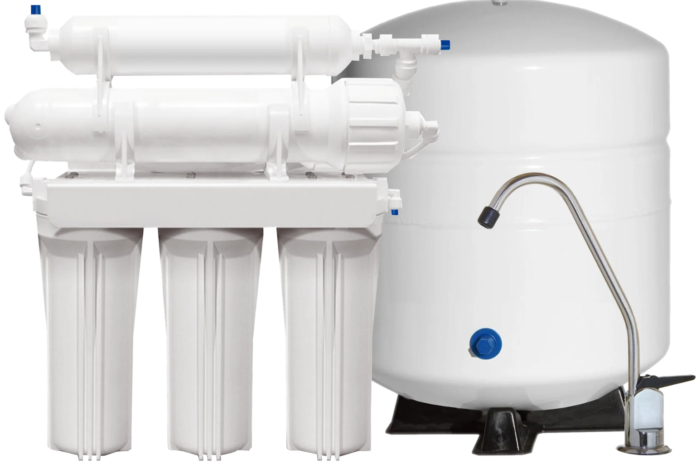
It’s easy to feel overwhelmed by options. Whole-house systems. Under-sink filters. Softening units. UV treatment. Multi-stage filtration.
But not every home needs every solution.
The key is alignment.
If sediment is your primary concern, filtration might be enough. If hardness is causing buildup, a softener may deliver the most noticeable improvement. If taste is the issue, carbon filtration can make a significant difference.
The smartest path begins with testing and honest evaluation. That prevents overspending and ensures the solution addresses the actual problem.
Thoughtful simplicity beats over-engineering every time.
Maintenance: The Unsung Hero
Whatever system you choose, maintenance matters.
Filters require replacement. Softeners need salt. UV lamps must be changed annually. Ignoring these steps doesn’t cause immediate disaster—but performance gradually declines.
Routine care keeps systems efficient and predictable.
And most modern units are designed with convenience in mind. Clear indicators. Simple schedules. Minimal disruption.
Consistency makes water improvements sustainable rather than stressful.
The Emotional Benefit of Trust
There’s a subtle shift that happens when you trust your water.
You stop stocking bottled water “just in case.” You don’t hesitate when guests ask for a glass. You cook without second-guessing.
Water fades back into the background, where it belongs.
It becomes ordinary again—and that’s a good thing.
Protecting More Than Taste
Beyond drinking and cooking, water quality impacts appliances and plumbing.
Mineral buildup can reduce the efficiency of water heaters. Sediment can strain washing machines. Scale can shorten the lifespan of dishwashers.
Addressing water issues early protects your home’s infrastructure. It reduces long-term repair costs. It keeps everything functioning smoothly.
In many ways, investing in water care is preventative home maintenance.
Final Thoughts
Water is constant. It flows through your mornings and evenings, quietly supporting your routines.
By prioritizing safe drinking water, seeking improved water clarity, and embracing a mindset of family water care, you create an environment where water works for you—not against you.
It doesn’t require panic. It doesn’t require perfection.
It requires attention.
And when that attention leads to clarity, confidence, and consistency, you gain something simple but meaningful: peace of mind every time you turn on the tap.