

I was standing at my kitchen sink the other day, glass in hand, when I paused. Not because I saw something floating in the water — thankfully — but because I started thinking about what I couldn’t see. We all love to believe the water coming out of our tap is clean, safe, and harmless. But more and more, the truth is murkier than the water itself.
Let’s talk about it — from the stuff that makes your dishes cloudy and your skin feel tight, to the invisible chemicals lurking in your drinking water. And more importantly, let’s dive into the actual systems that help fix this.
The Sneaky Science Behind “Hard Water”
Hard water isn’t dangerous, but boy is it annoying. If you’ve ever noticed crusty white buildup on your faucets, a filmy residue on your shower door, or felt like your shampoo never fully rinses out, you’re living with hard water. It’s basically water that’s loaded with minerals like calcium and magnesium.
Now, those minerals aren’t toxic. But they do mess with your home. They shorten the life of your appliances, make soaps less effective, and can even lead to plumbing problems over time. Not to mention — hard water makes your skin feel dry, your hair dull, and your laundry stiff. Who signed up for that?
Water Softeners to the Rescue (But They’re Not Magic)
Enter the hero of our story — water softeners. These systems are designed to reduce those pesky minerals through something called ion exchange. Basically, the softener pulls the calcium and magnesium out and replaces them with sodium or potassium. Simple enough, right?
And yes, they do make your showers feel silkier and your laundry softer. But — and here’s the catch — softeners don’t clean your water of everything. They’re not designed to tackle things like chlorine, bacteria, or the chemical nasties that sometimes show up in municipal supplies or private wells.
Think of a water softener like a moisturizer — great for comfort and basic protection, but not a full-body detox. If you want the whole package, you’ll need to go deeper.
The Dark Side of Water: What Are PFAS?
PFAS. Sounds like something from a sci-fi movie, right? Unfortunately, they’re very real and way too common. Short for per- and polyfluoroalkyl substances, PFAS are man-made chemicals used in things like non-stick cookware, stain-resistant fabrics, food packaging, and firefighting foam. And guess what? They’ve made their way into water systems around the world.
These chemicals don’t break down easily — which is why they’re often called “forever chemicals.” Studies have linked PFAS exposure to a range of health issues, including thyroid problems, immune system disruption, low birth weight, and even certain cancers.
The scary part? Many of us have no idea they’re in our water.
PFAS Removal Systems: Your Water Needs a Bodyguard
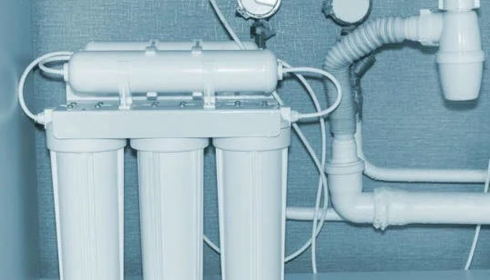
Here’s where PFAS removal systems step in. Unlike basic filters or softeners, these systems are specifically designed to remove these persistent chemicals. Most high-quality PFAS systems use advanced filtration methods like activated carbon or reverse osmosis — and yes, they work.
Now, not all systems are created equal. Some filters only reduce PFAS levels. Others eliminate them almost entirely. If you’re investing in a system, make sure it’s tested and certified for PFAS removal. Don’t fall for vague marketing — check the specs, read reviews, and ideally, consult your water quality report.
Softeners vs. Filters vs. Full-Scale Treatment: What Do You Actually Need?
Here’s where it gets a little tricky. A lot of homeowners assume one system will “fix” everything, but water treatment isn’t one-size-fits-all. You might need a combination of solutions depending on your situation.
For example:
- Got dry skin and soap scum? You need a softener.
- Concerned about chemicals like chlorine or lead? A multi-stage filtration system is your friend.
- Worried about PFAS or nitrate contamination? You’ll need something more robust, like a reverse osmosis or activated carbon filter certified for contaminant removal.
Some people even go all-in with whole-house systems that handle everything from hardness to toxins. Yes, it’s a bigger investment. But if water touches every part of your life (spoiler: it does), then it might be worth it.
Quick Reality Check: Test Your Water First
Before you drop hundreds or thousands of dollars on a shiny system, test your water. Seriously. Whether you’re on city water or well water, testing is your roadmap. It tells you what’s actually in there, what’s not, and what kind of system you actually need — not what some ad told you to buy.
You can start with a basic home test kit, but for deeper stuff like PFAS, it’s worth sending a sample to a certified lab. Some local health departments offer free or low-cost testing too. Google your zip code and see what’s available nearby.
Real Talk: Peace of Mind Doesn’t Have to Be Complicated
At the end of the day, most of us just want to turn on the tap and trust that what comes out is safe. We don’t want dry skin, corroded pipes, or scary chemicals that sound like something from Breaking Bad. We just want peace of mind.
The good news? It’s achievable. With the right tools — be it softeners, filters, or PFAS removal systems — you can create a water environment that supports your health, protects your home, and lets you stop worrying about what’s flowing through your faucet.
Final Thought: Don’t Wait for a Crisis to Care About Water
Clean water is something we assume until something goes wrong. A boil advisory, a scary news article, or a health scare in the neighborhood — that’s usually when people take action.
But the smart move? Be proactive. Test your water. Understand your needs. Find a solution that fits — and maintain it regularly. Your water doesn’t have to be a mystery. And once you’ve got a solid setup, it’s a huge weight off your shoulders.
Because let’s face it: You drink it, you cook with it, you bathe in it, and your kids do too. Water is life. Might as well make sure it’s clean.