
A comfortable home can make a long day feel a little easier. After spending hours at work, running errands, or dealing with the summer heat, coming back to a cool room is one of those simple things we genuinely appreciate. But when an air conditioner starts acting up, that comfort can quickly turn into frustration.
Sometimes the problem is obvious. The AC stops running altogether, or warm air comes through the vents instead of cool air. Other times, the signs are much less noticeable, like a gradual increase in electricity bills, unusual noises, or certain rooms taking longer to cool. Paying attention to these changes can help homeowners address problems before they become more expensive.
Why Air Conditioning Problems Shouldn’t Be Ignored
An air conditioner is made up of several components that work together to keep indoor temperatures comfortable. The compressor, condenser, evaporator coil, blower motor, thermostat, and electrical connections all play important roles. When one component starts malfunctioning, the entire system may be affected.
A dirty filter, for instance, can restrict airflow and make the AC work harder. A faulty thermostat may cause inconsistent cooling, while a blocked drain line can lead to water leaking around the indoor unit. These problems may seem minor at first, but leaving them unresolved can affect overall system performance.
Investing in quality ac repair means looking beyond the immediate symptoms and identifying the actual reason the equipment isn’t working properly. A repair that addresses the root cause can help restore comfort and reduce the likelihood of repeated breakdowns.
Understanding the Reasons Behind Poor Cooling
Not every cooling problem means the air conditioner is nearing the end of its life. In many cases, the equipment may simply need cleaning, a component adjustment, or a relatively straightforward repair.
When an AC runs continuously but the house still feels warm, several things could be happening. Restricted airflow, dirty coils, thermostat issues, or refrigerant-related problems may prevent the system from removing heat effectively. Sometimes the outdoor unit is surrounded by vegetation or debris, making it harder to release heat into the surrounding air.
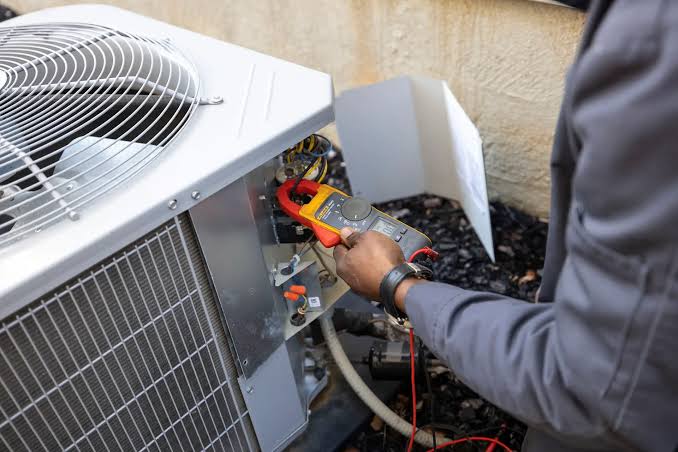
During AC system performance troubleshooting, technicians evaluate different parts of the system to determine what’s affecting its operation. They may inspect airflow, check electrical components, assess thermostat settings, examine the coils, and measure operating conditions.
This kind of diagnosis matters because replacing parts without understanding the problem can waste money. A careful inspection helps narrow down the issue and determine the most practical repair.
What Happens During a Professional AC Repair Visit?
Many homeowners aren’t sure what to expect when an HVAC technician arrives. A professional repair visit usually begins with questions about the symptoms, when the problem started, and whether anything has changed recently.
The technician may then inspect the indoor and outdoor equipment, check the thermostat, examine the filter, and test relevant components. Depending on the issue, additional diagnostic work may be required before a repair recommendation can be made.
Experienced air conditioning repair technicians understand that every system has its own operating conditions and maintenance history. Rather than rushing through the inspection, they should explain what they’ve found, which repairs are necessary, and whether there are other concerns worth addressing.
Clear communication is especially important when repair costs are involved. Homeowners should feel comfortable asking about parts, labor, warranties, and whether repairing an older system is still a reasonable investment.
Simple Maintenance Habits That Help Prevent Breakdowns
Regular maintenance won’t prevent every AC failure, but it can help reduce common problems and improve cooling efficiency. Most homeowners can take care of a few basic tasks without needing specialized tools.
- Change or clean air filters according to the manufacturer’s recommendations.
- Keep the outdoor condenser area free from leaves, grass, and debris.
- Make sure supply vents aren’t blocked by furniture or curtains.
- Check thermostat settings before assuming the equipment is faulty.
- Pay attention to unusual sounds, odors, or sudden changes in airflow.
Filter maintenance deserves particular attention. A clogged filter can make it harder for air to move through the system, potentially affecting cooling performance and increasing strain on the equipment. It’s a small thing, but forgetting it for months can create unnecessary trouble.
Repairing an Older AC or Replacing It?
This is a question many homeowners eventually face. If an air conditioner is relatively new and has developed a minor problem, repairing it is often the practical choice. But when the equipment is older, repairs are becoming frequent, and energy bills keep rising, replacement may be worth exploring.
Consider the system’s age, repair history, current efficiency, warranty status, and expected future costs. Sometimes a repair can extend the equipment’s life by several years. In other situations, spending money on an aging unit may only delay a larger expense.
A reliable HVAC professional should explain both possibilities honestly, helping you make a decision based on your budget and the condition of the equipment.
Making Indoor Comfort a Priority
A well-functioning air conditioner shouldn’t demand constant attention. It should cool the home consistently, operate without excessive noise, and provide reliable comfort when temperatures outside become uncomfortable.
Taking care of small issues early, scheduling inspections when necessary, and keeping up with basic maintenance can go a long way. You don’t need to become an HVAC expert to look after your system, but knowing a few warning signs can help you make smarter decisions.
When cooling problems arise, the right diagnosis and repair can restore more than just cold air. They can bring back the comfort, convenience, and peace of mind that make home feel like home.