
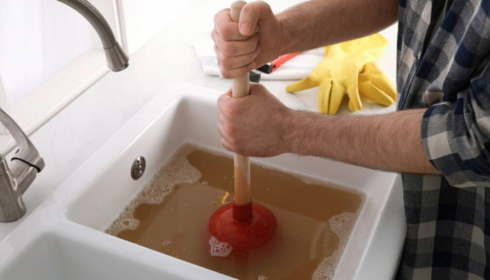

There’s nothing quite like the slow gurgle of a stubborn drain to snap you out of your daily rhythm. You’re brushing your teeth, and instead of a clean swirl down the sink, the water just… sits there. Staring back. A quiet rebellion. One that usually starts with “Eh, it’ll clear on its own” and ends with an urgent call to your local plumber after the bathroom turns into a shallow swamp.
This isn’t just a minor inconvenience—it’s life’s way of saying, “You’ve been ignoring me too long.”
I’ve been there. We all have. And honestly, it’s not just about dirty water or weird smells—it’s about comfort, routine, and a little peace of mind. So today, let’s break down the messy, underappreciated world of drains—and how to deal with them when they decide to misbehave.
When the Water Stops Moving, It’s Time to Start Listening
It usually starts subtly. The sink drains a little slower than usual, or the shower leaves behind a tiny puddle that takes its sweet time vanishing. You ignore it. We all do. Life’s busy, right? But eventually, the slowness becomes a full-on clog, and suddenly you’re ankle-deep in last night’s shampoo and this morning’s regrets.
What most people don’t realize is how interconnected their plumbing is. That slow bathroom sink might be connected to an issue brewing deeper in the line. And what seems like a minor inconvenience today can quickly escalate into an expensive, foul-smelling nightmare.
Not All Heroes Wear Capes—Some Carry Snakes and Wrenches
When things get gnarly, you want someone who knows what they’re doing. That’s where drain cleaning pros step in. These aren’t just folks with plungers—they’re trained to locate, diagnose, and clear blockages without tearing your home apart in the process.
Depending on the severity of the clog, they might start with traditional tools like augers or manual snakes. But if your pipes have seen decades of soap, hair, grease, and God knows what else, they’ll break out the big guns—like high-pressure water systems, video inspections, and in some cases, full line replacements.
The real win here? They don’t just “unclog” stuff—they help prevent future issues. Think of them as both firefighters and preventative care physicians for your home.
Water, Meet Pressure: The Power of Hydro Jetting
Now, let’s talk about a term that sounds way cooler than it has any right to: hydro jetting.
This is the technique professionals use when your regular snake just isn’t cutting it. Instead of breaking through the clog like a battering ram, hydro jetting uses streams of highly pressurized water to clean the inside of your pipes—like, really clean them.
Imagine pressure washing the inside of your plumbing system. It blasts through years of buildup, residue, grease, and even tree roots. Yes, roots. They love creeping into old pipes through tiny cracks, drinking up your waste water like it’s an all-you-can-sip buffet.
Hydro jetting doesn’t just push gunk forward—it obliterates it. But here’s the caveat: it’s not for every system. If your pipes are older or brittle, too much pressure can do more harm than good. That’s why professional inspection is key before choosing this route.
Kitchens: Where the Drama Begins
Ah, the kitchen drain—the unsung battleground of every home. You rinse a few plates, wash a pan, send a little grease down with some hot water (because that makes it fine, right?). It seems harmless in the moment.
But that grease? It cools. It sticks. It mingles with food scraps and soap and before long, it builds a wall of gunk so thick that even your garbage disposal gives up in protest.
This is why kitchen drains are often the first to rebel. They take the brunt of daily life—meals, dishes, cleaning—and we rarely stop to give them the TLC they deserve. Even something as simple as running hot water and dish soap isn’t enough long-term. Eventually, you’ll need a deeper clean—or you’ll find yourself elbow-deep trying to retrieve that rogue spoon floating in a sink that won’t drain.
DIY Culture Has Its Limits
Look, we all love a good DIY hack. Vinegar and baking soda? Magic. Boiling water? Sometimes helpful. Wire hanger shaped into a snake? Desperate times call for creative tools. But when clogs get stubborn—or smell like something crawled in and died—that’s your cue to call someone with better equipment (and fewer YouTube tabs open).
Also, repeated DIY “fixes” can sometimes make the problem worse. You think you’ve cleared the blockage, but really, you’ve just pushed it a little further down. Now it’s out of reach and even harder to remove.
The Bigger Picture: Prevention is King
One of the most valuable things I learned after my third emergency plumber visit in six months (don’t judge me) is that prevention costs less than repair. Way less.
Simple habits can go a long way:
- Use sink strainers.
- Don’t pour grease down the drain—ever.
- Run cold water when using the disposal.
- Avoid flushing “flushable” wipes.
- Schedule professional inspections annually if your home is older.
These aren’t groundbreaking steps, but they build good habits. And those habits? They save you from panic at midnight when your sink backs up just as guests are arriving.
When It’s More Than Just a Drain
In some cases, recurring clogs aren’t about what’s going down the drain—it’s about what’s happening under it. Collapsed pipes, shifting soil, or invasive tree roots can damage your system beyond surface-level issues.
That’s when more extensive diagnostics like camera inspections come into play. They snake a tiny waterproof camera through your plumbing, giving you a real-time look at the state of your lines. It’s not glamorous, but man, it’s effective.
A Flowing Future Awaits
There’s something oddly satisfying about a drain that works properly. No gurgles, no backup, no smells—just water doing what it’s supposed to do. It sounds small, but when your plumbing behaves, your whole day feels smoother.
So, the next time your sink slows down or your shower starts acting up, don’t wait until it’s a full-blown crisis. Treat your drains like the vital veins of your home that they are. Schedule regular maintenance. Don’t ignore the signs. And when in doubt, trust the pros.