Water is one of those things you don’t think much about… until it becomes a problem. Hard water creeps into your life quietly—leaving crusty mineral stains on faucets, making your hair feel like straw, and turning laundry into a stiff, scratchy ordeal. Most people deal with it for years before finally deciding, “Alright, enough is enough. I need a softener.”
And then comes the next surprise: choosing what type of softener you want. Salt? Potassium? Something in between? It’s funny how something as simple as water suddenly becomes a full-blown research project.
Let’s slow down for a moment, take a deep breath, and talk about one option more homeowners are paying attention to: potassium chloride water softeners.
The Subtle Shift Toward Potassium
If you’re used to the typical salt-based softeners, switching to potassium feels like a small but meaningful lifestyle upgrade—almost like going from regular table salt to sea salt, or from white bread to whole grain. It’s still familiar, but there’s a different vibe to it.
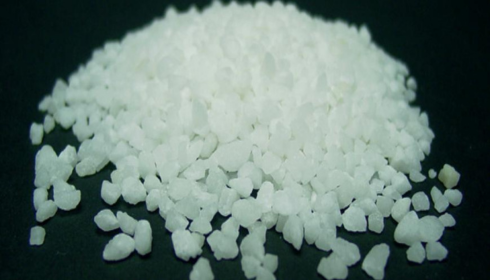
A potassium water softener functions similarly to a sodium-based system, but it uses potassium chloride instead of sodium chloride. The science behind it doesn’t change all that much—it still replaces hard minerals like calcium and magnesium—but the byproduct is different. And for some households, that difference is a big deal.
People sensitive to sodium, for instance, often prefer potassium. Garden lovers also swear by it because plants generally respond better to potassium-rich discharge water. It’s like giving your backyard a tiny bonus instead of a chemical headache.
What Hard Water Really Does to Your Home
Before diving deeper into potassium vs. salt, let’s take a step back and acknowledge just how disruptive hard water can be. It dries your skin, clogs your showerheads, ruins your water heater’s efficiency, and leaves layers of limescale that feel practically glued to your sinks.
And the worst part? Most people don’t even realize how much money they’re wasting until they compare the “before and after.” Lower energy bills, fewer appliance repairs, better soap lather, shinier hair—it all adds up. The difference is kind of unbelievable.
So the question shifts from “Should I soften my water?” to “Which softener actually fits my lifestyle?”
Potassium vs. Salt Water Softeners: The Real Story
Understanding the difference between potassium vs salt water softeners is actually simpler than it seems. Both systems do the main job: removing hardness. But they go about it in slightly different ways that affect both your home and your environment.
Sodium-based softeners are the old reliable option—affordable, well-known, easy to maintain. They’re great for most households, and there’s a reason they’re the go-to.
Potassium-based systems, on the other hand, skip the sodium and use potassium chloride, which is naturally occurring and plant-friendly. This makes them a compelling choice for homeowners using septic systems, those with low-sodium diets, or folks who simply want a more eco-conscious approach. You might pay a little more for potassium pellets, but some people feel the trade-off is worth it.
It’s like choosing between regular detergent and the eco-friendly version—same function, different impact.
The Feel of Soft Water (Yes, It Feels Different)
One of the most surprising things about soft water—if you’ve never had it before—is how it actually feels on your skin. Some describe it as silky. Others say slippery. For people used to the squeaky feel of hard water residue, the softness can be kind of shocking at first.
With potassium systems, that soft feel stays the same. What you really notice is how quickly the benefits stack up: less soap needed, fewer spots on dishes, and basically zero scale around your faucets. It feels like your pipes are breathing easier.
And while results vary from home to home (because every water supply is different), most homeowners say the improvement is immediate.
Environmental Vibes: A Quiet But Important Factor
We don’t always think about where our water goes after it leaves our home. But the environmental footprint of salt-based softeners has been a hot topic in some states—especially in places where sodium discharge affects soil or local ecosystems.
Potassium chloride is more natural, more plant-friendly, and better absorbed into soil. People who use greywater systems for irrigation tend to choose potassium for exactly this reason. The minerals in your softened water become nutrients instead of pollutants. That’s a pretty cool bonus.
If you’re someone who cares about sustainability—even in small ways—this shift can feel meaningful.
Maintenance and Daily Life (It’s Easier Than You Think)
Potassium systems don’t require more effort than salt-based softeners. You still refill pellets. You still check the brine tank once in a while. You still enjoy the same soft water results.
The main difference is the cost of the pellets. Sodium chloride is cheaper. Potassium chloride costs a bit more, but not so much that it’s out of reach.
Most homeowners who switch say they’re willing to pay the difference because of the health, environmental, or gardening benefits. It becomes one of those “quality of life” decisions.
And honestly, if you’ve ever had to scrub hard water scale out of a shower door, you know soft water is worth the investment either way.
Is Potassium Right for You?
It really comes down to your priorities. If you’re trying to lower sodium levels, protect your landscape, or feel better about your environmental footprint, potassium is a fantastic choice. If budget is your biggest concern, salt might still be the best starting point.
At the end of the day, both soften water beautifully. Both protect your appliances. Both make your home feel cleaner and more comfortable.
But potassium has that small, subtle shift toward a more natural balance. That quiet reassurance that your water is working with your life, not against it.
Final Thoughts: Soft Water Isn’t a Luxury—It’s Relief
The moment you switch to soft water is the moment you realize how much hardness has been wearing you down. Your showers feel nicer. Your dishes sparkle. Your washing machine doesn’t sound like it’s struggling anymore. It’s one of those home upgrades you feel every single day.