There’s something about a cold glass of water on a scorching summer afternoon—it hits different. Crisp, clean, and grounding. But if you’ve ever raised that glass and thought, “Where does this even come from?”—you’re not alone. The answer isn’t just pipes and plumbing. It’s a full ecosystem, often beginning with the natural world around us.
Turns out, water doesn’t just need fancy filters and chemical treatments. It also needs forests, community, and a good bit of human care. And if you’ve been paying attention lately, you’ve probably realized our relationship with water is at a turning point.
Let’s talk about that.
Not Just Clear—Clean
We’ve all seen bottled water commercials boasting glacier-sourced purity. But in reality, clean water doesn’t always come from pristine mountaintops. Sometimes, it flows from your local reservoir, filtered with a mix of tech and teamwork. And sometimes, it’s not quite as clean as you’d hope.
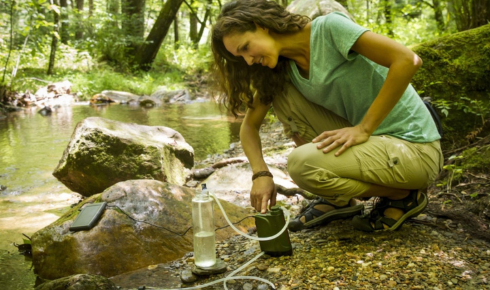
That’s where your water cleaner comes into play. Whether it’s a high-end RO system, a charcoal-based filter, or a DIY setup under the sink, water cleaning tech is evolving fast. But here’s the deal—filters can only do so much if the source is compromised. So while home systems are a smart start, they’re just one piece of the clean-water puzzle.
Why Trees Matter More Than We Think
Ever taken a hike through the woods after rain? The ground smells earthy, soft. The streams look clearer. That’s no coincidence. Forests act as natural sponges, absorbing rainfall and slowly releasing it through the soil. They filter out sediment, keep pollutants in check, and maintain the hydrological cycle in ways we’re only beginning to understand.
That’s why more people are stepping up to support forests as part of broader water conservation efforts. From reforestation campaigns to protecting old-growth canopies, saving trees isn’t just about hugging them—it’s about protecting our watersheds.
In fact, some cities have started investing in upstream forest preservation instead of just upgrading filtration plants. It’s cheaper. It’s cleaner. And it benefits biodiversity. Triple win.
What’s Going On Outdoors?
Clean drinking water doesn’t start at your kitchen tap—it starts outside. And that’s why outdoor water quality is such a big deal.
Think lawn fertilizers. Oil from driveways. Trash on the sidewalk. When rain hits, all that junk doesn’t just disappear—it flows into storm drains, rivers, and sometimes, into your drinking water supply. Yikes.
Cities are slowly catching on. Rain gardens. Permeable pavements. Natural buffer zones around lakes. These small shifts make a world of difference, and they often come from community-led initiatives. It’s a reminder that water health isn’t just an “indoor” concern. What we do outside directly affects what we sip inside.
Small Changes, Big Ripples
You don’t need to join a global nonprofit to make an impact. Sometimes, it’s as simple as planting a native tree, choosing biodegradable soaps, or skipping chemical fertilizers in your backyard. Other times, it’s showing up at your city council meeting and asking why there’s no rainwater harvesting ordinance.
People often assume water safety is someone else’s responsibility—a big agency, a tech firm, maybe a think tank. But honestly? It’s on us too. Our choices, our awareness, our willingness to ask questions and push for cleaner practices—that’s how change starts.
Bridging the Gap with Technology
We’re living in a time when tech and nature don’t have to be at odds. In fact, when used wisely, they complement each other beautifully.
Take satellite monitoring of watershed deforestation. Or AI-powered leak detection in municipal water systems. Even smartphone apps that let you test your water’s pH and report contaminants to your community. It’s all about bringing transparency and power back to the people.
But again, tech is just a tool. It’s only as good as the humans behind it. The trick is combining innovation with intention.
A Future Worth Thirsting For
What if, in 10 years, every city had clean stormwater systems? Every home filtered rainwater? Every forest was treated as essential infrastructure?
It’s not a fantasy—it’s a roadmap. But we’ve gotta start paving it now.
Water connects us. It flows through every home, business, and body. It doesn’t care about borders or bank accounts. Which is why protecting it is one of the few truly universal causes. And if we do this right—cleaning, preserving, and respecting water sources—we’re not just ensuring hydration. We’re securing health, ecosystems, and peace of mind.
So the next time you pour yourself a glass, don’t just drink. Think. Ask where it came from, what it passed through, and what you can do to make sure it’s just as fresh for the next person down the line.