Let’s be honest: we all want clean, safe water running through our taps — something that won’t mess up our appliances, leave chalky stains, or taste like it came from a rusty garden hose. That’s where water softeners come in. If you’ve ever lived in a hard water zone, you probably already know the magic of softened water: silky showers, longer-lasting plumbing, and dishes that don’t look like they’ve been through a sandstorm.
But then comes the question, usually with a raised eyebrow and a hint of suspicion: Can you drink water from a water softener?
Let’s dive into it — with zero fluff and all the real-world nuance you deserve.
The Deal With Water Softeners
First, a quick refresher on what a water softener even does. Hard water is filled with minerals like calcium and magnesium — great for your bones, but not so much for your pipes. A water softener removes those minerals, typically through a process called ion exchange. In simple terms, it swaps the calcium and magnesium ions with sodium (or sometimes potassium) ions.
And that’s where people start to worry — because sodium in water? That sounds… sketchy. Or at least like something your doctor would frown at.
So… Can You Drink Water from a Water Softener?
Alright, let’s tackle the first question head-on: can you drink water from a water softener?
Yes, you can — technically. Softened water isn’t harmful for most people, and it’s still considered potable (drinkable) in many regions. But that doesn’t mean everyone should drink it. The sodium content in softened water depends on how hard your original water was. The harder the water, the more sodium the system has to add during the softening process.
So, if your area’s water is just mildly hard, the sodium increase is minimal — probably less than what you’d get in a glass of milk. But in areas with very hard water, the sodium levels can start climbing into territory that might raise an eyebrow for anyone on a sodium-restricted diet.
What the Experts Say
Most health organizations, including the World Health Organization, agree that drinking softened water is generally safe. However, they also note that people with certain conditions — like high blood pressure or kidney issues — may want to limit their sodium intake, including from water.
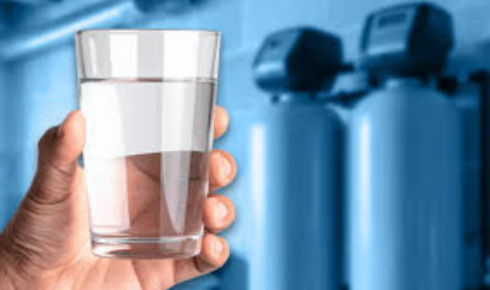
That’s why many homeowners who install a water softener for their whole house still keep an unsoftened tap in the kitchen for drinking and cooking. It’s a simple workaround and adds peace of mind — especially if you’re cooking pasta or making baby formula.
Breaking Down the Concern: Is Water Softener Safe to Drink?
Here’s the thing — is water softener safe to drink? As in, water that’s gone through a softener system?
Yes, it’s safe, but safety and health optimization aren’t always the same thing. Think of it like fast food — it won’t kill you, but it might not be the best choice every day.
The “safety” of drinking softened water largely depends on:
- Your health: If you have a medical condition that limits sodium, talk to your doctor.
- Your local water hardness: Higher hardness = more sodium in softened water.
- Your preferences: Some folks just don’t like the taste of softened water (it can feel slick or taste a little off).
So while it’s not dangerous, you might want to weigh the pros and cons — especially if you’re drinking multiple glasses a day or using it in cooking.
Let’s Talk Taste
It’s not just about health — some people find softened water tastes different. That slick, “slippery” feel you get in the shower? It can also show up in a glass. If you’ve ever thought your tea tasted weird after switching to softened water, you’re not alone.
This doesn’t mean it’s contaminated or bad for you. It just means your taste buds are picking up on the change in minerals.
What About Kids and Pets?
If you’re wondering whether your kids and pets can drink softened water — again, it’s generally safe. But if you’re a cautious parent (and who isn’t?), you might prefer using filtered or unsoftened water for your little ones, especially babies or pets with health issues.
For newborn formula, the recommendation is often to use bottled or filtered water anyway — softened or not.
Should You Filter Softened Water?
This is a surprisingly common move. If you’re still unsure, adding a reverse osmosis (RO) system to your kitchen tap is a solid option. It strips out sodium, along with pretty much everything else. You get pure, clean-tasting water that even the pickiest coffee drinker would approve of.
You could also go with a dual-tap setup — softened water for cleaning, and a separate unsoftened line for drinking. Best of both worlds.
One Last Thing: Can You Drink Water Softener?
Now, this one might sound like a grammar mistake, but people really do search for it: can you drink water softener?
Let’s be crystal clear here — if you’re asking whether you can drink the softener itself (like the resin beads or the salt brine used in regeneration), the answer is a hard no. Those materials are part of the system, not meant for human consumption. Only the treated water — what comes after the process — is meant for drinking (and even that’s debatable, as we’ve just covered).
So, please don’t go sipping on softener salt or licking the inside of your brine tank. That’s a recipe for disaster.
The Bottom Line: Your Water, Your Call
In the end, drinking softened water is a personal decision — shaped by your taste, health needs, and how hard your original water is. It’s safe for most, but not ideal for everyone. And while it’s certainly better than drinking water full of scale-building minerals, it might not be your best bet if you’re watching your sodium intake or just want the cleanest, purest taste.