You know, we talk a lot about the food we eat. Is it organic? GMO-free? Locally sourced? But strangely, we don’t put the same level of thought into the water we drink every single day. Maybe it’s because we assume the tap will do its job—or maybe we just haven’t taken the time to really understand what’s flowing through our pipes. But once you start paying attention to your water, there’s no going back.
I didn’t always care. I was that person—the one who drank straight from the kitchen tap without thinking twice. It tasted “fine,” didn’t smell weird, and hey, it was clear. What else do you need, right? But then I moved to a new city. Within a week, my skin was drier, my coffee tasted off, and my plants (yes, even the succulents) were wilting like I’d wronged them personally. That’s when I realized: not all water is created equal.
It’s Not Just About Filters—It’s About Fit
Water isn’t one-size-fits-all. Just like homes and habits differ, so do water problems. Some areas have hard water that leaves chalky residue everywhere. Others might deal with chlorine-heavy water, rusty pipes, or even traces of heavy metals. Throwing a basic filter pitcher at the problem? That’s like slapping a band-aid on a broken leg.
That’s where customized water systems come in. Instead of offering some generic solution, these systems are tailored to your water quality, home size, plumbing setup, and even lifestyle. It’s kind of like having a suit tailored—it just fits better, works better, and lasts longer. You’re not over-filtering, under-treating, or wasting money on things your water doesn’t even need.
The Stuff You Can’t See
We humans are visual creatures. If something looks clean, we assume it is. But water? Oh, water can be deceiving. It might look pristine and still carry a cocktail of contaminants—from pesticides to industrial runoff to microscopic bacteria. And while boiling water is great for killing germs, it won’t do much for chemical residues or heavy metals.
That’s why ensuring clean drinking water goes beyond just clarity or taste. It’s about peace of mind. It’s knowing that every sip, every pot of soup, every baby bottle isn’t quietly bringing something harmful into your body. When you think about how much of our body is made of water—and how much we use it every single day—it starts to feel crazy that we’d accept anything less than the best.
One System, One Solution
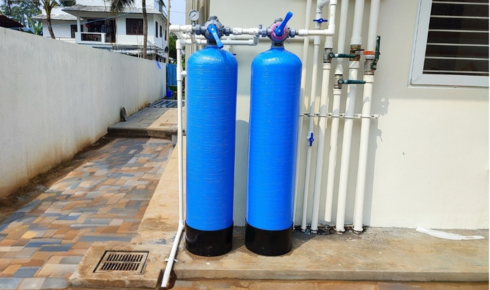
Here’s where things get interesting. If you’re the kind of person who wants your whole home on the same page—no weird water in the guest bathroom, no chalky dishes, no itchy post-shower skin—a centralized system makes sense. That’s the genius behind whole‑home water systems. Instead of fixing the water problem room by room, tap by tap, you treat the water at its entry point. Boom. Consistency. Simplicity. Total coverage.
Sure, it’s more of an upfront investment. But if you tally up all the smaller fixes—filters for every faucet, bottled water, ruined appliances from scale build-up—you’re probably already spending more than you think. Plus, your future self (and your plumbing) will thank you.
More Than Just Health
Let’s talk beyond safety. Yes, pure water is essential for good health, but there’s also a subtle luxury in having high-quality water throughout your home. Showers feel more spa-like. Clothes come out softer. Dishes sparkle. Your hair might even feel silkier (mine did—no joke). And if you’re into cooking, good water changes everything. Coffee is bolder, veggies are fresher, and rice fluffs up like a dream.
There’s something deeply satisfying about knowing that your home is set up to support you in every way, even in the background. You might not notice it daily, but you feel it. And once you get used to it, going back to “regular” water feels like a downgrade.
Environmental Good Karma
Here’s the hidden bonus: treating your own water at home means you’re less likely to buy bottled water. That’s fewer plastic bottles cluttering up landfills and oceans. And if you’re already someone who uses reusable bags, composts food scraps, or bikes to work, upgrading your water setup is just another step in the same direction. Small changes, big ripple effect—literally.
But Wait, Is It Really Necessary?
Look, I get the skepticism. Water treatment systems aren’t exactly dinner-table conversation. And when you’ve lived your whole life without one, it’s easy to think, “Why now?” But here’s the thing—just because something hasn’t caused visible harm doesn’t mean it’s harmless. We’ve gotten so used to “just okay” that we’ve forgotten what great even looks (or tastes) like.
Testing your water isn’t hard. Most providers offer free or low-cost testing kits. And once you know what you’re working with, it becomes a whole lot easier to decide what you need. From there, you can choose something that fits your budget and priorities, whether it’s a basic under-sink unit or a full-blown smart filtration system.
Final Thoughts: It’s Your Water. Own It.
Water is one of those things we often take for granted until something goes wrong. A funky smell, a weird taste, a plumbing issue—and suddenly, it’s front and center. But wouldn’t it be better to get ahead of it? To give your family, your body, and your peace of mind the kind of water that supports—not sabotages—you?
If you’re remodeling, moving, or just want to improve your home life one upgrade at a time, start here. Because once you’ve tasted water that’s been thoughtfully filtered, adjusted, and balanced to suit your space and needs—you’ll wonder why you waited so long.