
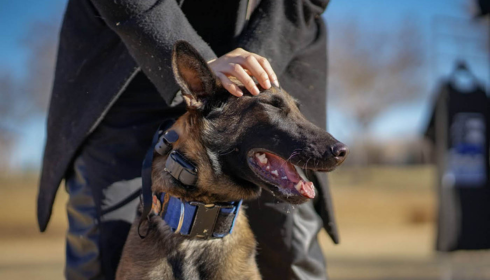

E-collar dog training can be one of the most effective ways to improve off-leash reliability, strengthen obedience, and build better communication between a dog and its owner when it is introduced correctly. The key phrase there is introduced correctly. An e-collar is not a shortcut, and it is not a replacement for clear leadership, structured training, and trust. Instead, it is a communication tool that can support precision, consistency, and better follow-through in real-world situations.
In Phoenix, dogs often deal with busy neighborhoods, open outdoor spaces, public distractions, and everyday movement that can challenge attention. Squirrels, bikes, passing dogs, visitors, traffic sounds, and unfamiliar environments can quickly pull a dog out of focus. That is why e-collar dog training appeals to many owners who want more dependable obedience in situations where voice commands alone may not be enough.
What E-Collar Dog Training Really Means
Many people misunderstand what an e-collar is supposed to do. Quality e-collar dog training is not about punishment or forcing behavior. It is about teaching a dog how to understand a clear and consistent signal. When used properly, the collar becomes part of a structured training system that reinforces known commands and improves responsiveness.
That distinction matters. A dog should never be confused about what is being asked. The e-collar should support communication, not replace teaching. Before introducing the tool, the dog should already be learning foundational behaviors such as:
- Come
- Sit
- Down
- Place
- Heel
- Stay
- Leave it
The collar becomes useful when those behaviors need stronger reliability in distracting environments.
Why Owners Consider E-Collar Dog Training
Dogs can perform well inside the house and still struggle the moment distractions appear. That is a common frustration. A dog may know recall in the living room, then ignore it at the park. A dog may heel nicely in a quiet setting, then pull or lose focus when something exciting appears nearby.
This is where e-collar dog training often becomes appealing. The tool can help bridge the gap between understanding a command and following through consistently in real life. It is especially useful for owners who want better performance in situations where safety and responsiveness matter.
Common reasons owners explore e-collar training include:
- Improving off-leash recall
- Strengthening obedience around distractions
- Reinforcing commands at a distance
- Supporting reliable leash and heel work
- Creating more consistent follow-through
- Building better public behavior
When introduced thoughtfully, the collar can help turn inconsistent obedience into dependable obedience.
E-Collar Dog Training Is About Timing and Clarity
A tool is only as good as the skill behind it. That is why e-collar dog training requires timing, structure, and clear instruction. Poor timing creates confusion. Random use creates stress. Proper use creates understanding.
The dog should learn what the signal means in a calm, controlled environment before being expected to respond in more challenging settings. The goal is not intensity. The goal is communication. In most cases, lower levels paired with known commands and fair repetition create the strongest learning experience.
A good e-collar program usually includes:
- Teaching the dog what the sensation means
- Pairing the signal with known behaviors
- Rewarding correct choices
- Gradually adding distractions
- Building confidence through repetition
- Keeping the process clear and fair
This is one reason professional guidance matters so much. A small mistake in timing can slow progress, while good coaching can make the training much smoother.
Why Foundational Obedience Must Come First
An e-collar should never be the first step in training. Dogs need to learn behavior before behavior can be reinforced. That is why the strongest e-collar dog training programs begin with basic obedience and relationship-building first.
A dog that does not understand recall cannot be expected to respond well just because an e-collar is added. A dog that has never learned leash manners will not suddenly become polished without proper instruction. The foundation still matters.
Before moving deeper into e-collar work, dogs should be developing:
- Basic obedience skills
- Engagement with the handler
- Understanding of rewards and boundaries
- Confidence in structured sessions
- Clear response to verbal commands
Once those pieces are in place, the e-collar can become an effective extension of communication.
The Biggest Advantage of E-Collar Dog Training
One of the biggest benefits of e-collar dog training is reliability at distance. A leash provides physical connection. An e-collar can provide communication when the leash is no longer the main guide. That makes it especially helpful for recall, advanced obedience, and outdoor situations where immediate responsiveness matters.
This can be valuable for dogs that need:
- Better off-leash obedience
- Stronger recall in open spaces
- More focus near distractions
- Safer response around movement
- Improved consistency away from the handler
The result many owners want is simple: a dog that listens the first time, not only when conditions are easy.
Common Misunderstandings About E-Collar Training
Some people assume e-collar training is harsh by default. Others assume it instantly fixes every behavior problem. Neither view is accurate. A tool does not create good training on its own. The process, the timing, and the trainer’s knowledge are what shape the result.
A few important truths about e-collar dog training:
1. It is not a shortcut
Dogs still need repetition, guidance, and structure.
2. It is not meant to replace obedience teaching
The dog must understand commands before the collar is layered in.
3. It is not only for severe behavior issues
Many owners use it simply to improve reliability and off-leash control.
4. It requires proper introduction
Poor handling can create confusion instead of clarity.
5. It works best as part of a full training plan
The tool should fit into a larger system of communication and accountability.
These distinctions are what separate professional use from guesswork.
E-Collar Dog Training in Real-World Environments
Training should prepare dogs for the environments they actually live in. In Phoenix, that may include neighborhood walks, public spaces, hiking areas, parks, visitors at home, and everyday movement that tests focus. That is why e-collar dog training becomes especially useful when the goal is real-world obedience, not only obedience in controlled sessions.
A dog may need to respond reliably when:
- Another dog appears suddenly
- A gate opens
- A bicycle passes
- Guests enter the home
- Wildlife creates excitement
- The handler needs recall from a distance
Real-life obedience is where consistent communication becomes most valuable.
Signs a Dog May Benefit From E-Collar Training
Not every dog needs an e-collar, but some dogs are strong candidates for it when the goal is higher-level reliability. The best choice depends on the dog’s temperament, training stage, and the owner’s goals.
A dog may benefit from e-collar dog training if any of these are true:
- Recall becomes unreliable outdoors
- Distractions quickly break obedience
- The owner wants stronger off-leash control
- Distance commands need improvement
- The dog already understands obedience but lacks consistency
- Outdoor freedom needs better safety and communication
The tool is most useful when the dog already has a base of understanding and needs more dependable follow-through.
Why Professional Guidance Matters
Because the e-collar is a precision tool, guidance from an experienced trainer makes a major difference. Good coaching helps prevent common mistakes such as poor timing, unclear expectations, using the wrong level, or moving too fast. It also helps owners understand how to keep the process fair, consistent, and confidence-building.
A strong trainer can help with:
- Proper collar introduction
- Correct conditioning process
- Clear layering over known commands
- Reading the dog’s response
- Building reliability without confusion
- Teaching the owner how to use the tool correctly
That support is often what turns the e-collar from a misunderstood tool into a practical part of everyday obedience.
A Local Option for E-Collar Dog Training in Phoenix
For dog owners looking for e-collar dog training in Phoenix, Rob’s Dog Training Business offers a local option focused on practical obedience, structured communication, and real-life results. Located at 4204 E Indian School Rd Phoenix, AZ 85018, the business serves owners who want more reliable behavior, stronger recall, and better control in everyday situations.
Rob’s Dog Training Business provides guidance tailored to the dog’s current skill level and behavior needs. Whether the goal is stronger off-leash reliability, improved obedience around distractions, or better follow-through in public settings, a structured training approach can make a meaningful difference. More information about training services can be found at https://robsdogs.com/.
How to Choose the Right E-Collar Training Program
Not all training programs approach the e-collar responsibly. A good program should focus on clarity, foundation, and real-world success rather than rushing the process.
Look for a program that offers:
- Strong obedience foundations before collar work
- Clear explanation of the conditioning process
- Fair, low-level communication methods
- Owner coaching and follow-through support
- Practical training in real-life environments
The right program should make the process feel structured, understandable, and safe for both dog and owner.
Practical Tips for Better E-Collar Training Results
Training success depends on consistency, patience, and thoughtful progression. Small habits can make the learning process smoother.
Helpful tips include:
- Make sure the dog understands commands first
- Start in a calm environment
- Keep sessions short and clear
- Reward correct choices consistently
- Add distractions gradually
- Focus on communication, not correction
- Stay patient and avoid rushing progress
A dog learns best when expectations are clear and repeated fairly.
Conclusion
E-collar dog training can be a valuable option for owners who want more reliable obedience, stronger recall, and better real-world responsiveness. The tool works best when it is part of a structured training system built on trust, foundational obedience, and clear communication. It is not about force. It is about helping a dog understand and follow through more consistently in situations where distractions can easily take over.
For dog owners in Phoenix, Rob’s Dog Training Business offers a local option for thoughtful, practical training that supports better control and stronger everyday behavior. With the right guidance, e-collar training can become a powerful way to improve safety, obedience, and confidence in the moments that matter most.