

Most people don’t think much about the water running through their house until something smells off, or the dishwasher starts leaving a chalky film, or the faucet sputters like it’s coughing up rust. Then, and only then, do we ask the real questions: What’s in my water? And Should I be worried?
If you’re living in Long Island, these questions are more common than you think. Whether your home pulls from a private well or a municipal system, the water might look clear — but that doesn’t mean it’s truly clean.
In fact, more Long Islanders than ever are rethinking what flows out of their tap, and for good reason.
Beneath the Surface: What’s Really in Long Island’s Water?
Long Island’s water comes from deep underground aquifers — natural reservoirs tucked beneath layers of soil and rock. In theory, that sounds pristine. Groundwater, after all, feels more organic than lake or river sources.
But here’s the rub: what’s on the surface eventually makes its way down. And Long Island’s surface has had a long, messy history. Pesticides from farming, chemical runoff, septic tanks, old fuel spills — all of it can seep into the ground and linger far longer than we’d like.
That’s why concerns around Long Island clean water are more than just a passing trend. They’re a growing priority. From trace amounts of PFAS to nitrate spikes, homeowners across Nassau and Suffolk counties are learning that “clear” doesn’t always mean “safe.”
It’s not about fear — it’s about being informed. And maybe, just maybe, doing something about it.
A Glass Half Full (of What, Exactly?)
If you’ve ever taken a sip of water and thought, That doesn’t taste quite right, you’re not imagining things. And no, it’s not your glass.
Public water suppliers are required to meet federal standards — but those standards evolve. Some contaminants aren’t even regulated yet, and many studies show that “legal” doesn’t always mean “health-safe.”
Enter the solution: Long Island water filtration systems.
These aren’t just luxury add-ons or eco-trendy fads. They’re becoming the new normal for households that care about what touches their skin, fills their coffee mugs, or boils their pasta.
Whether it’s a simple under-sink reverse osmosis setup or a full-scale filtration system for the entire house, filtration lets you reclaim control. You don’t have to wonder. You don’t have to guess. You know what’s being removed — and what’s left behind.
Whole House, Whole Peace of Mind
Let’s be real — most of us assume a basic filter on the kitchen tap or a fancy fridge dispenser is enough. But what about your shower water? Your laundry? The hose you use to fill the kiddie pool?
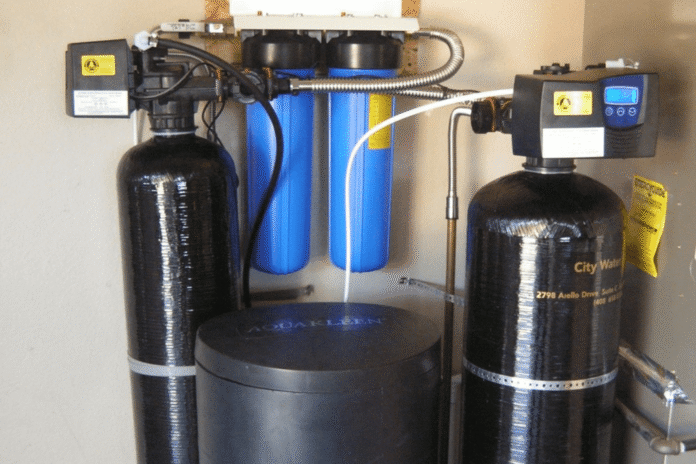
That’s where a whole house water filtration near me search usually starts — with a realization. One small filter only does so much. And with contaminants like chlorine, iron, sulfur, and heavy metals making their way through plumbing, it pays to treat the source.
A whole-house system tackles it all before it hits any faucet. That means every bath, every rinse cycle, every time your kid fills up a water bottle — it’s clean, filtered, and reliable.
You might not notice it immediately. But over time? Your appliances last longer. Your skin feels better. Your soap lathers. Your peace of mind returns.
True Story: When the Water Changed, So Did Everything
A couple in Huntington Bay finally installed a full-home system after years of dealing with stained sinks and brittle hair. They weren’t being dramatic — their water had high iron levels and smelled faintly like rotten eggs. Showers felt like a gamble. White laundry turned beige.
After installing a filtration setup customized to their water test results? Total transformation.
“It was like a switch flipped,” the wife told me. “Everything felt softer. Cleaner. Even the dogs stopped itching as much.”
That’s the thing about clean water. It’s subtle — until it’s not.
What Should You Be Looking For?
If you’re serious about filtering your home’s water, don’t just grab a generic system off a big-box shelf. Start with a proper test. Many local filtration companies offer free or low-cost testing. That gives you a real picture — and real solutions.
Ask the right questions:
- What’s in my water right now?
- What system removes those specific contaminants?
- How often does it need maintenance?
- Is there support after installation?
Also, work with professionals who know Long Island’s unique water challenges. Some areas struggle with manganese. Others with volatile organic compounds (VOCs). One-size-fits-all doesn’t cut it here.
It’s Not Just About Health — It’s About Home Value
In today’s world, homebuyers are savvier. They check for mold, radon, and… yep, water quality. A home with a whole-house system in place? That’s a selling point.
You’re not just protecting your family. You’re investing in your property. Clean water isn’t just a lifestyle perk — it’s a market advantage.
And let’s not forget what you save in the long run — fewer plumbing issues, fewer appliance breakdowns, fewer dermatologist visits. Sometimes, clean water pays for itself faster than you’d think.
Delivery vs. Filtration: What’s the Difference?
You might be tempted to stick with bottled water or delivery services. And sure, they can be handy. But think about this — you’re still washing your food, brushing your teeth, and bathing in tap water.
Plus, delivery adds up — financially and environmentally.
Filtration is the long-term play. It’s about replacing dependency with independence. No more plastic waste. No more last-minute water runs. Just reliable quality, 24/7.
Final Thoughts: Rethinking What We Take for Granted
Water should be the last thing you have to worry about. But in today’s world, trusting the tap blindly doesn’t quite cut it.
If you’ve noticed strange smells, weird stains, or just have a gut feeling something’s off — listen to it. A single test could change everything. From taste to health to how you feel in your own skin.
Long Island clean water is a goal worth chasing. And the best part? It’s achievable. Whether you’re in a beachfront cottage or a suburban ranch, solutions exist that fit your lifestyle, your budget, and your priorities.