
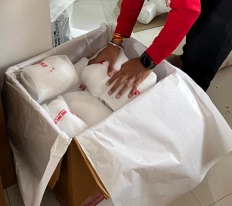
Moving to a new home is exciting, but the excitement can disappear pretty quickly once the packing begins. Suddenly, every cupboard seems to contain twice as many things as you remembered. There are clothes to sort, kitchen items to wrap, furniture to dismantle, documents to protect, and dozens of small jobs competing for attention.
In a city like Delhi, relocation can bring a few extra challenges. Traffic, busy residential streets, apartment restrictions, parking limitations, and long distances between neighbourhoods can all affect the moving schedule. Even a move that looks simple on paper can turn into a tiring day.
The good news is that you don’t have to handle everything alone. Professional movers can take care of much of the physical work, while a little preparation from your side can keep the process organized and manageable.
Begin Planning Before the Actual Move
A smoother move usually starts before the first carton is packed.
Walk through your home and decide what really needs to travel with you. Check wardrobes, kitchen shelves, storage rooms, balconies, lofts, and drawers. You’ll probably find things you haven’t touched in years.
Moving is a great opportunity to declutter. Donate usable clothes, sell appliances you no longer need, recycle old items, and throw away things that have simply been taking up space.
There is no prize for moving the most boxes. The fewer unnecessary belongings you take, the easier your new beginning will be.
Don’t Pick a Company Based Only on Price
When searching for Best Packers and Movers in Delhi, you’ll likely come across many companies offering different prices and service packages. Comparing options is sensible, but the cheapest quotation shouldn’t automatically win.
A low price may look attractive until you discover that packing materials, loading, unloading, floor charges, or other services aren’t included.
Ask each company to explain its quotation clearly. Find out exactly what you’re paying for and whether additional charges could apply.
A reliable mover won’t mind answering straightforward questions. In fact, clear communication before the move is usually a good sign.
Understand What the Packing Service Covers
Packing isn’t just about putting everything into cardboard boxes.
Clothes, books, kitchenware, electronics, glassware, artwork, and furniture all require different levels of protection. Fragile belongings may need bubble wrap, foam, strong cartons, protective sheets, or furniture blankets.
Ask the movers how they plan to handle delicate items. If you have expensive electronics or furniture, mention them before the moving day rather than assuming the team will identify everything themselves.
Some people prefer to pack personal belongings themselves and leave furniture and heavy items to professionals. Others want a complete packing service. Either approach can work; choose whichever fits your schedule and comfort level.
Read Customer Reviews With Some Common Sense
Reviews can be extremely useful, but don’t judge a company by its overall star rating alone.
Read individual comments. Look for repeated feedback about damaged goods, late arrivals, hidden costs, poor communication, or delayed deliveries.
One negative review doesn’t necessarily mean a company is unreliable. Problems can happen in any moving job. What matters is whether the same complaint appears again and again.
Personal recommendations are valuable too. Ask friends, relatives, colleagues, or neighbours if they’ve recently relocated. Their experience may help you avoid problems that aren’t obvious from an online listing.
Get a Written Estimate
Once you’ve shortlisted a moving company, ask for a written quotation.
The estimate should clearly describe the services being provided. Ask whether the cost includes packing, loading, transportation, unloading, furniture dismantling, reassembly, and unpacking.
Also ask about possible additional charges. For example, carrying belongings several floors without a suitable lift may involve extra labour. Difficult parking or a long distance between the truck and building entrance can also affect the work involved.
Extra charges aren’t necessarily a problem. Surprise charges are.
Knowing the terms in advance makes the entire arrangement more comfortable.
Consider Delhi’s Traffic and Parking
Delhi traffic can make moving schedules unpredictable, particularly when the truck needs to travel across busy parts of the city.
When possible, discuss the expected route and timing with the moving company. Don’t schedule everything so tightly that a small traffic delay ruins the entire day.
Parking is another detail worth checking. Your apartment or residential lane may not have enough space for a large moving vehicle. Ask your building management whether a temporary parking arrangement or permission is required.
These little details may sound unimportant during planning. On moving day, they can become very important.
Check Apartment and Society Rules
If you’re moving between apartment communities, speak with the management offices in advance.
Some societies allow shifting only during particular hours. Others require prior notice, lift bookings, security deposits, or permission for moving vehicles.
Make sure your movers know these restrictions as well.
Imagine a truck arriving with your entire household at 8 a.m., only to discover that the building allows shifting after 10 a.m. Nobody wants to start moving day with that kind of surprise.
A quick call beforehand can prevent it.
Keep Important Belongings With You
Not everything should be handed over to the moving team.
Keep passports, identification documents, jewellery, cash, medicines, important certificates, laptops, chargers, keys, and other valuable personal items with you.
It’s also a good idea to prepare a small overnight bag. Include clothes, toiletries, medicines, snacks, phone chargers, and anything else you may need immediately.
You might expect to unpack quickly after reaching the new home. But after hours of loading and travelling, you may decide that the boxes can wait until morning.
Your essentials shouldn’t have to.
Ask About Transit Protection
Before booking Movers and Packers Delhi, ask about transit insurance or damage protection. Understand what is covered, what isn’t, and how you would report an issue if something gets damaged.
Take photographs of valuable furniture, appliances, and electronics before packing. This gives you a simple record of their condition.
For particularly valuable or irreplaceable belongings, carrying them yourself can still be the safest option.
Money can sometimes replace an item. Sentimental value usually can’t.
Label Your Boxes Properly
Box labeling is one of those boring jobs that becomes extremely useful later.
Instead of simply writing “Kitchen,” add a little detail, such as “Kitchen – plates and glasses” or “Kitchen – cooking utensils.”
Mark fragile boxes clearly and identify which room each carton belongs to. If possible, ask the movers to place the boxes directly in their intended rooms when unloading.
That means bedroom boxes stay in the bedroom, kitchen cartons go into the kitchen, and you’re not left moving heavy boxes around after everyone has gone.
Your labels don’t need to look pretty. They just need to make sense.
Prepare for Delhi’s Weather
Delhi’s weather can be demanding, particularly during very hot or cold periods. Seasonal conditions should be considered when planning your move.
Electronics, documents, books, wooden furniture, and other sensitive belongings need appropriate protection during transportation. If rain is expected, make sure cartons and furniture have suitable covers.
During extremely hot weather, keeping the moving schedule practical can also make the day easier for everyone involved.
The more comfortable the working conditions, the smoother the process tends to be.
Stay Present During Loading and Unloading
You don’t need to supervise every single item, but someone responsible should be available.
Before leaving your old property, check cupboards, shelves, balconies, bathrooms, storage areas, and drawers. It’s surprisingly easy to leave behind something small.
At your new home, pay attention to fragile and expensive items as they’re unloaded. If you notice damage, document it immediately and contact the moving company according to the agreed process.
Then, once everything is inside, give yourself a moment.
The house may look chaotic. That’s okay.
Let Yourself Settle Gradually
A successful move doesn’t mean every box has to be opened on the same day. Some cartons may sit unopened for several days. Furniture might need to be rearranged. You may change your mind about where things belong.
That’s part of settling in.
The important thing is to reduce unnecessary stress before the move begins. Plan early, declutter, compare movers, understand the quotation, check building rules, protect valuable belongings, and communicate clearly.
Professional movers can handle much of the heavy work, but thoughtful preparation makes their job easier and your experience better.
Eventually, the boxes disappear. The furniture finds its place. The rooms start looking familiar.
And somewhere between unpacking the last carton and making your first cup of tea in the new kitchen, the place stops feeling like a new address and starts feeling like home.