
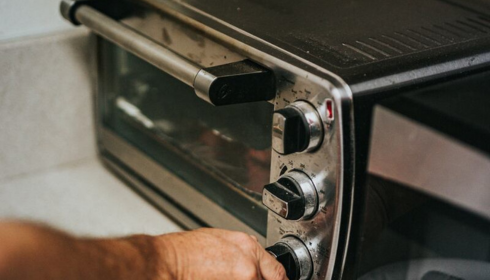

You’re in the middle of preheating the oven, maybe about to roast some veggies or throw in that frozen pizza you’ve been craving. Everything seems normal… until it hits you. A smell. And not the kind that whets your appetite. It’s strange—maybe sour, maybe metallic, maybe a little like something… fishy? You pause. Sniff again. Where is that coming from?
Your mind immediately goes through the checklist: Did something spill? Is something burning? Has the oven finally had enough?
If you’ve been asking yourself, “Why does my oven smell?”—you’re not alone. It’s one of those sneaky little kitchen mysteries that most people deal with at some point, and depending on the smell, it can mean a few different things.
Let’s break it down in plain, everyday terms.
Not Every Smell Is a Sign of Doom (But Some Might Be)
First things first: ovens aren’t supposed to smell amazing when they’re empty. There’s no cinnamon roll scent just floating around waiting to greet you. That said, they’re also not supposed to smell weird. So when something funky fills your kitchen every time the oven warms up, your nose is probably trying to tell you something.
Sometimes the cause is innocent. Other times? Not so much.
So yeah, while a weird smell coming from oven might just be last night’s cheese bubbling over and baking itself into charcoal, it could also be electrical, chemical, or even gas-related. You want to know the difference.
New Oven? That Smell’s (Probably) Normal
If your oven is brand-new and you’re catching a sharp, synthetic scent, that’s usually nothing to panic over. Fresh-from-the-factory ovens often have residues—coatings, oils, insulation particles—that need to burn off. And boy, can they stink while doing it.
That’s why manufacturers often recommend a “burn-in” cycle. Just crank it up to 400°F, keep the door closed, and let it run for 30–60 minutes. Open a window or two, maybe light a candle (a real one, not an electric diffuser), and wait it out. The smell should disappear after the first few uses.
But if your oven’s been around for a while and you’re still catching unpleasant odors? That’s a different story.
Something Spill Recently? That Could Be It
This is probably the most common cause—and thankfully, the easiest to fix. A bit of oil, sauce, cheese, or even breadcrumbs might’ve fallen onto the heating element or the oven floor. And every time you turn the oven on, it’s like slow-roasting that same crusty mess again and again.
The solution? Let the oven cool completely. Then take a flashlight and check all the corners—under the racks, around the bottom heating element, even the door edges. Wipe down any residue with a mixture of baking soda and water or vinegar (just not both together unless you’re going for a science fair-style reaction).
Even a minor spill can create a weird smell coming from oven if left unattended for too long. And let’s be real—most of us forget to clean our ovens unless it smokes or screams for help.
Electrical Burning? That’s a Red Flag
Now, if what you’re smelling is less “leftover pizza” and more “burning wires,” pause. That could point to something more serious.
Electrical smells—sharp, acrid, kind of like melting plastic—could indicate issues with the oven’s wiring or internal components. It doesn’t mean the whole thing’s going to blow, but it’s not something to ignore either.
Unplug the oven or switch off its breaker, and call a professional. It’s always better to be safe (and slightly inconvenienced) than risk electrical damage or fire.
And That Fishy Smell? Yeah… Let’s Talk About It
Here’s the one that catches people off guard. That moment you preheat the oven and suddenly think, “Why does my oven smell like fish?”—even when there’s absolutely no seafood in sight.
Nope, you’re not imagining things. This could be caused by two main things:
- Overheating Plastic or Insulation: Some oven parts (especially in electric models) can give off a fishy or ammonia-like smell when they overheat. It’s weird, but it happens. Again, not always dangerous—but definitely worth checking out.
- Grease Gone Bad: Oils and fats left in the oven from previous meals can go rancid over time. When reheated, they release a fishy odor—even if the original meal wasn’t remotely aquatic.
In either case, a deep clean is your first move. Pull out the racks, wipe every corner, and check for old grease. If the smell persists, it might be internal—and that’s when a technician should take a look.
Is It Coming From Somewhere Else?
Ovens aren’t always the guilty party. Sometimes smells come from nearby items like:
- A plastic cutting board accidentally placed too close
- Melted bits from a bag or food container left on the stovetop
- Food dropped behind the oven that’s now slow-roasting every time you use it
If you’re still sniffing around and wondering “Why does my oven smell?” after a full clean and inspection, step back—literally—and check the entire area around the appliance. Sometimes the mystery’s hiding in plain sight.
Preventative Tips That Actually Work
Once you’ve cleared the current stink, you probably don’t want to deal with it again. Here are a few everyday practices to keep things fresh:
- Use liners: Place a baking sheet or foil (only on lower racks, not directly on the bottom) to catch drips and spills.
- Wipe up after cooking: Let the oven cool, then quickly clean up any fresh splatters.
- Run a citrus steam: Every few weeks, place lemon slices in an oven-safe dish with water, heat for 20 minutes, and let the citrus help freshen things naturally.
Not only does this help with smell, but it can extend your oven’s life too.
Final Thoughts: Don’t Ignore Your Nose
Here’s the thing—your sense of smell is one of the best early-warning systems you’ve got. If your oven suddenly starts putting off an odd odor, take it seriously. Whether it’s burnt leftovers, a faulty wire, or just a forgotten crumb under the burner, that scent is trying to tell you something.