
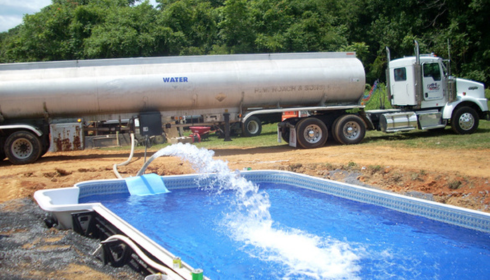

You don’t think about water—until it’s gone. Or worse, when what’s supposed to be clean and safe tastes… off. Whether it’s the height of summer and your well’s tapped out, or your property’s off-grid and municipal supply just isn’t an option, water becomes a real, tangible stressor. And when it matters most, what you need isn’t just “any water.” You need water that’s clean, safe, and delivered by people who understand the difference.
That’s where bulk water delivery steps in—not as a luxury, but as a lifeline. For families, contractors, farmers, event planners, and even emergency responders, water delivery is no longer just a backup plan. It’s part of how we live, work, and stay safe.
Let’s dig into the real-world uses of water hauling services and why this growing industry plays a far bigger role than most of us realize.
When Taps Run Dry but Life Keeps Moving
There’s something surreal about turning on a faucet and nothing coming out. Maybe the well pump finally gave out. Maybe your off-grid cabin needs a refill. Or maybe the town’s doing work and shut off the main supply for “just a few hours” that somehow turned into all day.
Regardless of the reason, the solution is usually urgent. And that’s where water hauling becomes less about logistics and more about essential service. These aren’t just tankers on wheels—they’re safety nets with hoses.
From temporary shortages to consistent off-grid living, bulk water delivery bridges the gap between need and supply. And the best companies do more than dump water—they place it exactly where you need it, safely and efficiently, without you needing to babysit the process.
Safety First: Why Water Quality Still Matters
Just because you’re getting water delivered doesn’t mean you should lower your standards. In fact, in some cases, standards should be higher. Especially when that water is used for drinking, cooking, bathing, or anything health-related.
A common method used to keep water safe during transport and storage is mild chlorination. Yep, chlorine—the same stuff in pools, but at a controlled, drink-safe level. If your delivered water smells faintly like a public swimming pool, that’s not necessarily a bad thing. It likely means your chlorinated water supply was treated properly to avoid bacterial growth or algae while en route to your tank.
Is it ideal for long-term consumption? That depends. But for short-term needs, emergencies, or even regular residential supply in remote locations, lightly chlorinated water keeps you safe and sanitary without the need for boiling or filtering on arrival.
From Construction to Crop Fields: Industry Depends on Hauling
If you’ve ever seen a construction site with dust clouds rising in the wind, you’ve probably seen a water truck nearby. These trucks aren’t just there to keep things looking neat—they’re controlling erosion, improving safety, and sometimes even helping equipment operate more smoothly.
But construction isn’t the only industry leaning hard on delivery. Agriculture depends heavily on portable water for livestock and irrigation when weather or location makes pipelines unrealistic. And event companies? They often need mobile tanks filled and refilled to keep guests hydrated and bathrooms functioning at outdoor venues.
It’s not a glamorous job, but it’s absolutely essential. Drinking water hauling might not make headlines, but it keeps industries, events, and entire ecosystems functioning when traditional water sources aren’t available—or just aren’t enough.
Emergencies Don’t Wait for Business Hours
The real test of any hauling service isn’t how they show up when scheduled. It’s how they respond when disaster strikes. Wildfires, droughts, hurricanes, and power grid failures all share one thing in common—they interrupt safe access to water. Sometimes for hours. Sometimes for weeks.
And in those situations, having a reliable water delivery contact saved in your phone isn’t just convenient—it can be life-saving.
Emergency delivery often involves coordination with local authorities, hospitals, shelters, or rural families caught off guard by nature’s curveballs. If you’re lucky, you won’t need it. But if you do, you’ll be grateful that bulk water delivery isn’t just a service—it’s a lifeline.
What Makes a Good Hauler… Great?
Not all water delivery services are created equal. Some show up when they can. Others show up when it matters. Here’s what separates the pros from the rest:
- Certifications & Cleanliness: Especially when hauling potable water, sanitation matters. Trucks and hoses should be food-grade and maintained like medical equipment.
- Clear Communication: When your water’s out, you need more than vague time windows. You need clarity, updates, and real-time scheduling.
- Knowledgeable Drivers: Whether navigating narrow backroads or understanding the mechanics of underground tanks, experience is everything.
- Emergency Readiness: Do they offer after-hours support? Can they pivot fast in a crisis? Those questions matter more than a low quote.
If you’re relying on delivered water for everyday needs, make sure your provider understands how urgent “just water” can become.
Planning Ahead Is the New Prepared
Water doesn’t seem like a problem—until it’s your problem. And the people who suffer the least during shortages or system failures? They’re the ones who planned ahead.
Here are a few smart prep moves:
- Know your tank capacity and how long it lasts with normal use.
- Build a relationship with a reputable delivery service before disaster hits.
- Keep emergency jugs or tanks ready, especially in wildfire or storm-prone areas.
- Test storage tanks for leaks and bacteria, even if they’ve been unused for a while.
- Understand chlorination levels and what’s safe to consume.
Being water-ready doesn’t mean building a bunker. It just means thinking one step ahead, especially if you live beyond the reach of reliable infrastructure.
Final Thoughts: It’s Not Just Water, It’s Peace of Mind
We spend so much time automating everything—lights, groceries, even pet feeders—but water? Somehow, that still gets overlooked. Until the day the tap runs dry. Until the hose sputters. Until the weather, the grid, or the old well decides it’s done.