

Let’s be real—have you ever lathered up in the shower, only to feel like your soap just isn’t doing its job? Maybe it’s not foaming like it used to. Maybe your skin still feels grimy afterward. Or maybe your dishes are coming out with spots and that weird cloudy film. Yeah, that’s not your imagination—and it’s not your soap’s fault either.
Chances are, the culprit is your water. Specifically, hard water.
What Even Is Hard Water?
Hard water sounds like something you’d find in a superhero movie, but in reality, it’s just water that’s loaded with minerals—mostly calcium and magnesium. These minerals are picked up as water travels through soil and rock. The more it picks up, the “harder” it gets.
And while hard water won’t exactly harm you, it sure can make life annoying. It reduces the effectiveness of cleaning agents—like shampoo, detergent, and yes, your favorite citrus-scented body soap.
Here’s the thing: those minerals react with soap to form what’s called “soap scum.” That gross, waxy residue you’re always trying to scrub off your shower wall? That’s soap scum. And it’s also the reason your soap isn’t doing what it’s supposed to do.
If you’re trying to improve soap performance, the secret isn’t buying fancier soap—it’s dealing with the water first.
Your Skin Deserves Better
Beyond the soap struggle, hard water can do a number on your skin. Ever feel dry, itchy, or like your moisturizer suddenly stopped working? Yep. That’s another side effect. The minerals in hard water leave a film on your skin that clogs pores, dries you out, and might even trigger flare-ups if you’re prone to eczema or acne.
Clothes washed in hard water? They’ll wear out faster and feel scratchy. Dishes? Spotty. Hair? Lifeless. And let’s not even talk about what it does to your appliances over time.
So the question becomes: what can you actually do about it?
A Local Problem With Local Solutions
If you live somewhere like Florida—especially in places like Venice—you know this isn’t a fringe problem. It’s daily life. That’s why so many folks have turned to Venice FL water softeners to take matters into their own hands.
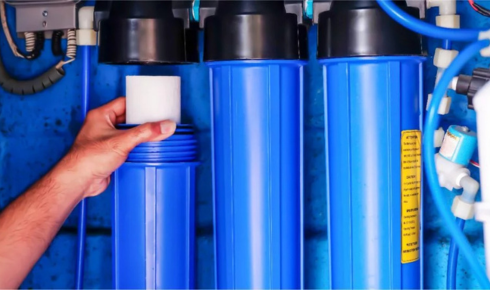
Water softeners do exactly what you’d guess—they soften water by removing those problematic minerals before they reach your taps. It’s not magic, but it feels like it when you start noticing the difference.
Imagine stepping out of the shower and not feeling like your skin has been shrink-wrapped. Or running a load of laundry and having your clothes come out feeling fresh instead of stiff. That’s the soft water life, and trust me, it’s a game-changer.
Not All Softeners Are the Same
Here’s where people get tripped up: not every water softener is a good fit for every home.
There are salt-based systems, salt-free systems, whole-house setups, compact units, and hybrid systems. Each has its pros and cons depending on your needs, budget, and available space.
Some folks love the traditional salt-based models because they’re reliable and great for very hard water. Others prefer salt-free conditioners—especially those looking to reduce sodium intake or avoid environmental waste. Then there are magnetic and electronic descalers, which are less common but intriguing if you’re into high-tech solutions.
The key is working with experts who understand the local water profile and can match you with a system that actually works. That’s where local softness solutions come in. Instead of one-size-fits-all, these specialists tailor your setup to what’s really going on in your pipes. And yes, they’ll probably test your water first—because data matters.
Real Talk: Is It Worth It?
Let’s be honest: installing a water softener is an investment. You’ve got upfront costs, installation logistics, and some maintenance over time. So is it worth the effort?
Short answer: yeah, probably.
Think of it like this. You’re not just buying a machine—you’re buying better showers, healthier skin, longer-lasting clothes, and appliances that don’t wear out years before they should. You’re also buying peace of mind that your home’s water isn’t silently wrecking your stuff.
Plus, soft water means you can use less soap, shampoo, and detergent—because it actually works better. That can add up fast.
What to Expect After Making the Switch
The first thing you’ll notice? Suds. Like, a lot of them. Soft water lets your soap lather up the way it’s supposed to, which makes your entire shower routine feel brand new.
You’ll also probably notice your skin feels cleaner and smoother, even without fancy lotions. Your hair might be shinier. And that weird residue in your kettle or dishwasher? Gone.
If you’re into saving money (and who isn’t?), you might even start noticing a difference in your utility bills and cleaning product expenses. Over time, that soft water pays for itself.
Final Thoughts (And a Bit of Advice)
Hard water is one of those sneaky little problems that doesn’t seem like a big deal—until you fix it and wonder how you ever lived with it.
And sure, you could just keep buying stronger soap or scrubbing your tub every other day. But why fight the symptoms when you can solve the root cause?
If you’re serious about taking care of your home, your skin, and your sanity, do yourself a favor and look into local water softening options. Whether you’re in a hard-water hotspot or just curious about a cleaner way to live, there’s a solution out there that fits.
Start local. Ask questions. And don’t underestimate how good life can feel when your water finally plays nice.