There’s something reassuring about turning on a tap and knowing the water is ready for whatever the day requires. You fill the kettle, rinse fresh vegetables, wash a few dishes, and get on with life. Water is one of those everyday essentials that rarely gets much attention until something changes. Maybe the water develops an odd taste, scale starts collecting around the showerhead, or you begin wondering whether your current filtration setup is doing enough.
Finding the right water treatment system doesn’t have to become a complicated project. The key is understanding your water first, then choosing equipment that addresses your actual concerns. Some homes need help with hardness, others want better-tasting drinking water, and some require treatment for specific contaminants. The best solution depends on the circumstances, not simply on how many features a product offers.
Start by Understanding Your Water
Water quality can vary considerably between properties. Municipal supplies are generally treated before distribution, but mineral content and taste may differ by location. Private wells have their own considerations because local geology, nearby land use, and changing environmental conditions can influence the water.
Household symptoms can offer useful clues. White deposits on faucets often suggest hard water, while reddish staining may be associated with iron. A chlorine taste can affect drinking water, and sediment may collect in fixtures. However, these signs don’t provide a complete diagnosis. Water can look clear and still contain substances that require specific testing.
A suitable water test helps establish what needs attention. Depending on the source and the concerns involved, testing may examine hardness, pH, iron, dissolved solids, bacteria, or particular contaminants. If you’re worried about health-related substances, use an appropriate testing method and consider a certified laboratory.
Knowing what’s present can prevent unnecessary spending. There’s little point installing a complicated system if a simpler option can address the problem. On the other hand, a basic filter shouldn’t be expected to handle an issue it wasn’t designed to treat.
When Disinfection Is Part of the Solution
Some households, particularly those relying on private wells, may need to consider microbial concerns alongside ordinary filtration. Sediment and unpleasant tastes are one thing; bacteria and other microorganisms require a different approach. Testing should determine whether disinfection is needed and which method is appropriate.
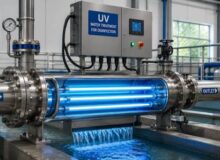
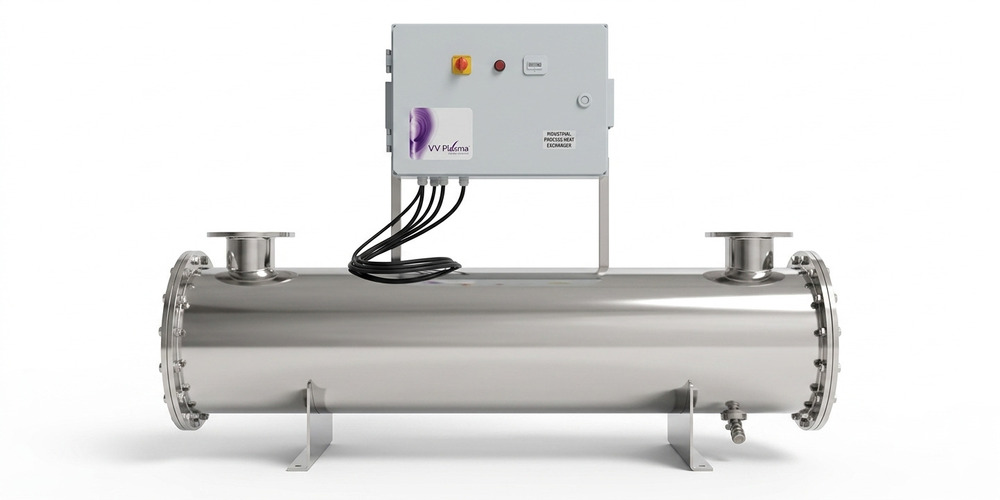
UV ultraviolet filtration is a common term used for systems that apply ultraviolet light to help disinfect water. When properly designed, sized, installed, and maintained, UV equipment can inactivate certain microorganisms as water passes through the treatment chamber. It doesn’t work like a conventional filter that physically traps particles, and it doesn’t remove dissolved chemicals, hardness minerals, or sediment.
That distinction is important. Water generally needs suitable clarity before UV treatment because suspended particles can interfere with the light reaching microorganisms. Depending on the water analysis, prefiltration may therefore be necessary. The system must also provide adequate exposure at the required flow rate.
Maintenance deserves attention, too. UV lamps have a recommended service life, and the protective sleeve may need periodic cleaning. Follow the manufacturer’s schedule even if the lamp still appears to be glowing. A working light alone doesn’t confirm that the system is delivering the intended disinfection performance.
If a test identifies a bacterial problem, consult a qualified water professional or local health authority about appropriate treatment and follow-up testing. UV equipment can be useful, but it should be part of a properly planned approach rather than a substitute for understanding the water itself.
Managing Hard Water Without Guesswork
Hard water is another common household concern. It contains elevated levels of dissolved calcium and magnesium, which can leave scale on shower screens, faucets, and water-heating equipment. Soap may also feel less effective, leaving homeowners with more scrubbing than they’d like.
Traditional ion-exchange softeners reduce hardness minerals by exchanging them for other ions, commonly sodium or potassium. They can help limit scale formation and may improve soap performance. These systems usually need periodic regeneration and, in many cases, salt replenishment.
For homeowners who prefer an alternative, salt free water conditioners may be worth investigating. Depending on the technology, these products condition water to help reduce the formation or attachment of scale. However, most salt-free conditioners do not remove calcium and magnesium in the same way as conventional softeners. They shouldn’t automatically be expected to produce genuinely softened water or deliver identical results.
Before choosing either approach, consider what matters most in your household. If the main concern is protecting a water heater from scale, a conditioner may be suitable under the right conditions. If you need to reduce measured hardness, a conventional softener may be more appropriate. Ask for clear performance information based on your water test, and be wary of promises that sound too broad to be credible.
Could a Combination System Be More Convenient?
Some homes have several water concerns at once. You might want to reduce hardness throughout the plumbing while also improving the taste of drinking water. Installing separate pieces of equipment can work well, but it may require more space, additional plumbing, and separate maintenance schedules.
In these situations, combo units may offer a convenient option. Depending on the design, a combination system can bring together technologies such as filtration and softening in one coordinated setup. This can simplify installation and make the equipment easier to manage, particularly where available space is limited.
Still, combination equipment isn’t automatically the best fit. The individual components need to match the water conditions, and the system must be sized for household demand. A unit that combines several stages may cost more than a simpler setup without providing much additional benefit if some of those stages aren’t needed.
Ask the supplier to explain the purpose of each component. Check what the system is designed to reduce, whether its performance claims are independently supported, and how often each part requires servicing. A clear explanation is more valuable than a long list of technical features.
Think About Maintenance Before You Buy
Every treatment system needs some level of care. Cartridges become exhausted, softeners require routine attention, and UV equipment needs scheduled checks. Reverse osmosis systems have membranes and filters with their own replacement intervals. These tasks aren’t necessarily difficult, but they should be part of the decision from the beginning.
Ask about the availability and cost of replacement components, expected service intervals, and any professional maintenance requirements. Keep records of filter changes and service visits so you don’t have to rely on memory. If water pressure, taste, or appearance changes unexpectedly, investigate the cause rather than immediately replacing equipment.
Make a Choice That Fits Real Life
The right water treatment system should solve a specific problem and fit comfortably into your home. It should be practical to maintain, suitable for your water supply, and affordable over its working life.
Start with reliable testing, compare appropriate technologies, and ask questions before committing to a purchase. No single system removes every possible contaminant, and more equipment doesn’t always mean better results.
When you understand your water and choose treatment based on evidence, the decision becomes much less daunting. The aim is simple: dependable equipment, realistic expectations, and water treatment that supports your household without adding unnecessary complications.