A home’s plumbing system has a way of staying invisible until something stops working. You turn on the shower and barely get a trickle. The kitchen sink takes forever to drain. Or perhaps there’s a small damp patch near a wall that wasn’t there last week. None of these problems seems especially dramatic at first, but they can be signs that your plumbing needs a closer look.
The tricky part is knowing which issues can wait and which need attention straight away. A dripping tap may be a relatively simple fix, while a hidden pipe leak can cause significant damage if left alone. Understanding the warning signs helps homeowners make better decisions, avoid unnecessary expenses, and keep everyday routines running smoothly.
Paying Attention to Changes in Water Pressure
Few things are more frustrating than stepping into the shower and discovering that the water pressure has suddenly dropped. Sometimes the cause is simple, such as a clogged showerhead. In other cases, the problem may involve a valve, a blockage, or the home’s water supply.
Persistent water pressure issues deserve attention, particularly when several fixtures are affected at once. If the kitchen faucet, bathroom shower, and laundry connections all seem weaker than usual, the problem may extend beyond a single outlet. Possible causes include a partially closed main valve, a faulty pressure regulator, a supply interruption, or mineral buildup inside pipes.
Start with a few basic observations. Is the pressure low at one fixture or throughout the house? Does it change when another tap is running? Did the problem begin suddenly, or has it developed gradually over several weeks? These details can help narrow down the cause.
If only one faucet is affected, cleaning its aerator may improve the flow. Mineral deposits can gradually block the small openings through which water passes. However, avoid dismantling unfamiliar plumbing components if you’re unsure how they work.
When pressure drops throughout the property, contact your water supplier if a public supply problem is possible. If the issue persists, a qualified plumber can inspect the system and measure pressure properly. Don’t assume that higher pressure is always better, either. Excessively high pressure can strain pipes, appliance connections, and valves, potentially contributing to leaks.
Why Older Plumbing Fixtures Need Extra Attention
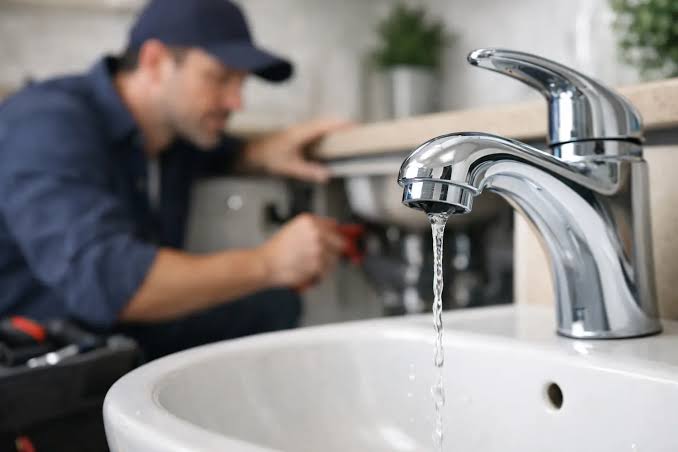
Fixtures rarely fail all at once. More often, they become less reliable through years of regular use. A faucet handle grows stiff, a shower valve becomes difficult to adjust, or a toilet develops a persistent leak that seems to return no matter how often it’s checked.
These are common signs of aging fixtures, especially in homes where bathrooms and kitchens haven’t been updated for many years. Rubber washers, seals, cartridges, and other moving components naturally wear down. Hard water can add another layer of trouble by leaving mineral deposits around outlets and inside valves.
Sometimes replacing a small component is enough. A worn washer or faulty cartridge may restore a faucet without requiring an entirely new fixture. In other cases, replacement makes more sense, particularly when the fixture is badly corroded, spare parts are difficult to find, or several components are failing together.
Before replacing anything, consider the fixture’s overall condition. A fashionable new faucet may look appealing, but compatibility matters just as much as appearance. Check the connection type, mounting arrangement, and water supply requirements. If you’re upgrading a shower or installing a more complex fixture, professional installation can help prevent leaks and ensure that everything operates correctly.
There’s also a practical reason to replace unreliable fixtures: water waste. A dripping tap may not look serious, but continuous dripping adds up over time. A running toilet can waste considerably more water, sometimes without making much noise. Addressing these issues promptly can help reduce avoidable water consumption.
Small Leaks Can Create Big Problems
Water damage doesn’t always begin with a burst pipe. It can start with a loose connection beneath a sink, a worn washing machine hose, or a tiny leak hidden behind a cabinet. Because these areas aren’t inspected every day, moisture may remain unnoticed until flooring begins to swell or a musty smell develops.
Make it a habit to look beneath kitchen and bathroom sinks every few weeks. Check supply hoses, drain connections, and the surrounding cabinet floor. Look for discoloration, corrosion, dampness, or water marks. Inspect exposed pipes near water heaters and washing machines, too.
If you discover a leak, turn off the relevant water supply when possible. For a major leak, use the main shutoff valve if it is safe and accessible. Move belongings away from the affected area and arrange professional assistance when needed.
Don’t ignore a damp wall or ceiling simply because the water isn’t actively dripping. The source may be a plumbing connection behind the surface, and painting over the mark won’t resolve it. Persistent moisture needs proper investigation before repairs to the surrounding materials begin.
Knowing When Professional Plumbing Repairs Are Necessary
It’s tempting to handle every household problem independently. Online videos can make replacing a faucet or clearing a simple drain look easy, and for some straightforward tasks, they can be helpful. But plumbing systems involve pressure, drainage, and connections that must be handled correctly.
Professional plumbing repairs are particularly important when a leak keeps returning, several drains back up at once, water pressure changes unexpectedly, or pipes show signs of significant corrosion. Sewage backups, burst pipes, and major leaks should be treated as urgent problems rather than weekend projects.
Repeated drain blockages deserve more than another round of chemical cleaner. The underlying cause could be accumulated debris, a damaged pipe, tree-root intrusion, or an issue with the main drain. A plumber can inspect the system and recommend a repair based on what is actually happening.
When hiring someone, ask for a clear explanation of the fault and the proposed solution. For larger projects, request an itemized estimate and clarify whether additional work might be needed if hidden damage is discovered. Good communication helps you understand what you’re paying for and why.
It’s equally important to know your limits. Electrical components near water heaters, gas connections, and major pipe alterations can create serious risks when handled incorrectly. Leave work requiring specialized training, permits, or technical knowledge to qualified professionals.
Keeping Your Plumbing System in Better Condition
Preventive maintenance doesn’t have to be complicated. A short inspection every few months can help identify changes before they become expensive problems. Check visible pipes, test faucets and toilets, inspect appliance hoses, and look for unusual moisture around plumbing connections.
Pay attention to drainage habits as well. Keep grease out of kitchen sinks, use drain strainers where practical, and avoid flushing wipes or other unsuitable materials. In bathrooms, removing hair and soap residue from drain covers can reduce the likelihood of recurring clogs.
If your home has older pipes, consider arranging an inspection when repeated leaks or discolored water become a pattern. The right response depends on the pipe material, its condition, and the home’s history. Replacing every old pipe isn’t always necessary, but ignoring clear signs of deterioration isn’t wise either.
Keep a simple record of repairs, fixture replacements, and professional inspections. Knowing when a water heater was serviced or a supply hose was replaced makes future maintenance easier to plan.
A More Reliable Home Starts With Small Steps
Plumbing problems are rarely convenient, but they don’t always have to become expensive emergencies. Paying attention to changes in water pressure, recognizing worn fixtures, and investigating leaks early can help protect your property and keep daily routines comfortable.
The most useful habit is simple: don’t dismiss a small change just because the water still runs. A slow drain, an unexplained damp patch, or a faucet that suddenly behaves differently may be telling you something important.
With regular checks and professional help when necessary, you can keep your plumbing system in better shape for years to come. And perhaps best of all, you can spend less time worrying about what might be happening behind the walls and more time simply enjoying your home.