A home doesn’t always need a dramatic renovation to feel fresh, comfortable, and well cared for. Sometimes, it’s the smaller improvements—the ones you notice every day—that change how a room feels. Replacing an outdated fixture, improving ventilation, or finally fixing a door that never closes properly can make your space feel newer without turning your life upside down.
The best home improvements are often practical. They should look good, of course, but they should also make everyday living easier. A little planning before starting can save money, prevent frustrating mistakes, and help you choose upgrades that actually suit the way your household works.
Start With Comfort, Not Just Appearance
It’s easy to focus on paint colors, furniture, and decorative details when improving a home. But comfort deserves equal attention. Think about rooms that feel stuffy, areas that are too dark, doors that let in drafts, or switches that are inconveniently placed.
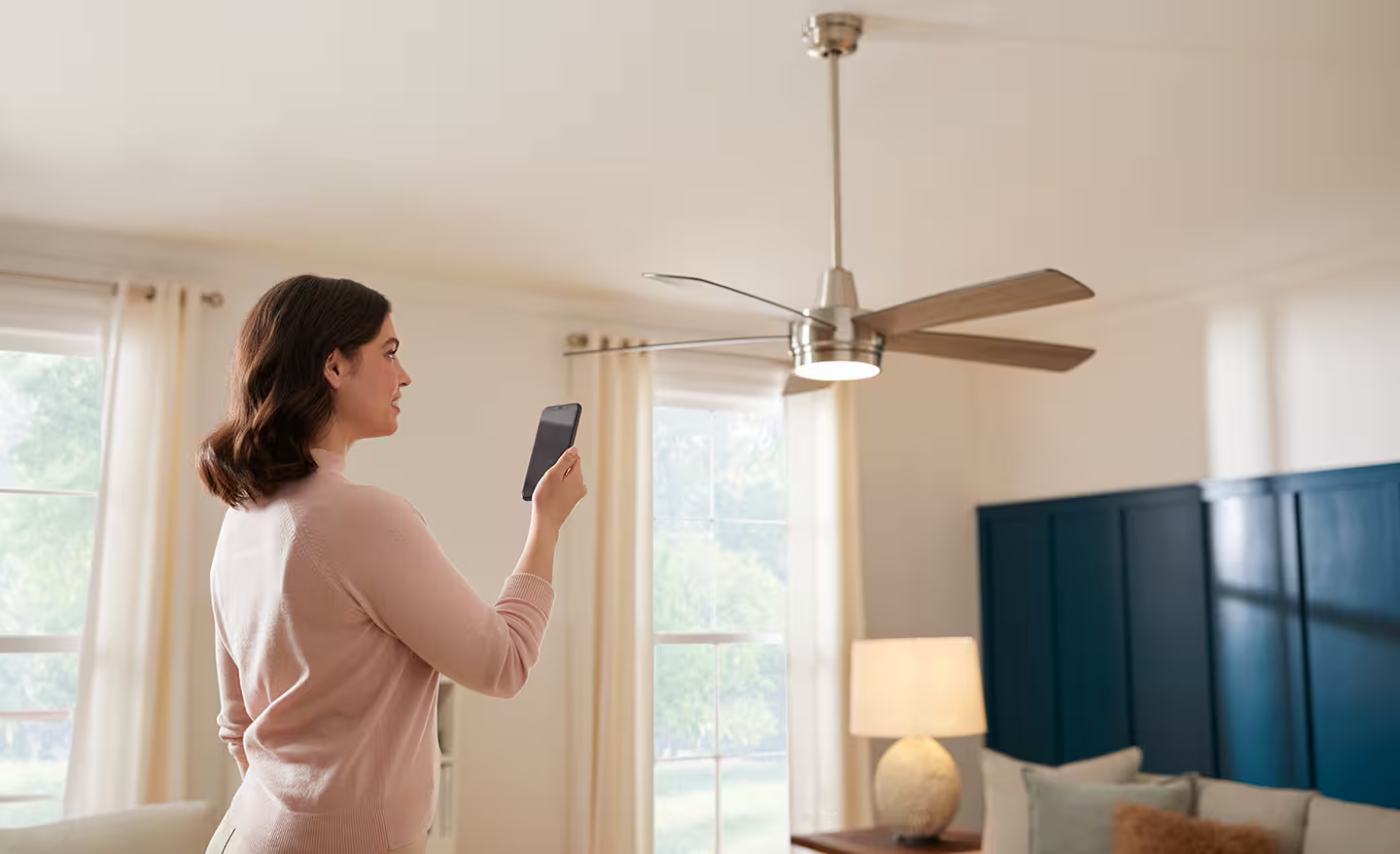
For example, installing efficient ceiling fans can improve air movement and make living spaces considerably more pleasant, especially during warmer months. A good fan isn’t just another decorative feature hanging from the ceiling. Its size, speed settings, motor efficiency, and placement all affect how well it performs.
Before buying one, consider the room’s dimensions and ceiling height. A fan that’s too small may struggle to circulate air, while an oversized model can look awkward and move more air than necessary.
Give Your Lighting Controls a Second Look
Lighting has a funny way of changing how a room feels. The same space can seem warm and inviting in the evening but dull and uncomfortable if the lighting isn’t planned well.
One simple improvement is replacing worn or outdated light switches. Modern switches can provide a cleaner appearance and may include useful features such as dimming, timers, motion sensors, or smart-home compatibility.
That said, don’t choose switches purely because they look modern. Think about how the room is used. A dimmer can be particularly useful in a bedroom or dining area, while motion-sensing controls may be convenient in hallways, bathrooms, garages, or utility spaces.
If you’re changing electrical fixtures, safety should come first. When wiring is complicated or you’re unsure about the electrical setup, hiring a qualified electrician is a much better idea than trying to figure it out through trial and error.
Doors Can Change More Than You Think
Doors are another part of the house that people tend to overlook until something goes wrong. A door that sticks, rattles, lets outside air through, or doesn’t latch correctly can become an everyday annoyance.
Professional interior and exterior door installation can improve both appearance and function. Interior doors can help define rooms and provide privacy, while exterior doors play an even bigger role in security, insulation, weather protection, and energy efficiency.
Measurements matter enormously here. The rough opening, frame condition, door swing, hardware position, and floor level all need to be considered before installation. Even a beautiful new door can perform poorly if it’s installed slightly out of alignment.
Exterior doors deserve extra attention because they face the elements. Proper weatherstripping and a good seal can help reduce drafts and keep outdoor moisture from finding its way inside.
Don’t Ignore Small Maintenance Problems
Home improvement doesn’t always mean buying something new. Sometimes the smartest upgrade is simply repairing what you already have.
Loose handles, squeaky hinges, cracked caulking, damaged trim, peeling paint, and small gaps around windows can gradually make a home feel neglected. None of these problems seems particularly serious on its own. Together, though, they can make a noticeable difference.
Walk through your home with a notepad and look at it as if you were seeing it for the first time. Which things bother you repeatedly? Which repairs have you been putting off for months? Start there.
This approach also helps control spending. Instead of creating an enormous renovation list, you can prioritize improvements according to comfort, safety, energy efficiency, and visual impact.
Think About Energy Efficiency
Some upgrades pay you back over time. Better insulation, efficient lighting, properly sealed doors and windows, and energy-efficient appliances can reduce unnecessary energy use.
Ventilation is important, too. Good airflow can make rooms more comfortable and may reduce the tendency for moisture to linger. In kitchens and bathrooms especially, proper ventilation can help prevent unpleasant odors and excessive humidity.
Even small changes add up. Switching inefficient bulbs to LED lighting, sealing obvious drafts, and using programmable or smart controls can gradually make a home more efficient without requiring a major renovation.
Choose Quality Where It Matters
There’s always a temptation to choose the cheapest option when working through a home improvement project. Sometimes that’s perfectly reasonable. But for things that are difficult to replace or repair—such as electrical components, doors, ventilation equipment, and hardware—quality can matter more than saving a few dollars upfront.
You don’t necessarily need the most expensive product. Look for dependable materials, sensible warranties, good installation practices, and products suited to your home’s conditions.
And remember, installation is part of the product. A high-quality item installed badly can still create problems.
Better Home Is Usually Built One Improvement at a Time
The most satisfying home improvements aren’t necessarily the flashiest ones. They’re the changes that make you think, “Why didn’t I do this sooner?”
Better airflow, convenient lighting controls, properly fitted doors, safer electrical fixtures, and small repairs can make a house feel more comfortable and functional without completely disrupting your routine.
So, before planning a huge makeover, take a slower look around. Notice the little annoyances. Pay attention to the spaces you use most. Then tackle the improvements that will make everyday life easier.
A home doesn’t become better overnight. More often, it gets better one thoughtful decision at a time—and that’s probably a good thing.