There’s something unnecessarily frustrating about running out of bottled water just when you need it. Perhaps it’s late in the evening, the grocery store is closed, and the water from your kitchen faucet has an aftertaste you’ve never particularly liked. It’s a small inconvenience, but one that many households experience regularly.
For families looking for a practical alternative, drinking water filtration with RO offers a convenient way to reduce specific dissolved contaminants and improve water quality directly at home.
Homeowners across Virginia and Maryland can benefit from understanding how reverse osmosis works and what makes it different from conventional filtration. After all, investing in better drinking water should simplify your life rather than introduce another complicated household responsibility.
What Makes Reverse Osmosis Different From Ordinary Water Filters?
A standard filter pitcher can be useful, particularly when you’re trying to reduce certain unpleasant tastes or odors. However, ordinary filtration has limitations when it comes to dissolved substances.
Reverse osmosis takes a different approach. It uses water pressure to move water through a semipermeable membrane, rejecting many dissolved substances that basic particle filters cannot capture.
These rejected substances are carried away through a separate discharge stream.
Most residential systems also include sediment and activated carbon filters that help protect the membrane and support treatment performance.
Depending on verified equipment capabilities, reverse osmosis can reduce selected metals, nitrates, dissolved salts, and other targeted contaminants.
Understanding these capabilities helps homeowners choose equipment that addresses their actual water concerns rather than relying on broad purification claims.
Making Everyday Hydration a Little Easier
Life gets busy. Between getting children ready for school, preparing meals, and keeping up with work commitments, remembering to purchase drinking water isn’t always a priority.
Having access to convenient drinking water through a dedicated kitchen faucet can make staying hydrated and preparing beverages easier without constantly relying on packaged alternatives.
Imagine filling your reusable bottle before leaving for work or preparing a pitcher of lemonade on a warm afternoon without wondering whether there’s enough bottled water left.
It’s a simple arrangement that can gradually become an appreciated part of your household routine.
Families may also find it easier to reduce their consumption of disposable plastic bottles when suitable drinking water is readily accessible at home.
Finding a Filtration System That Fits Your Kitchen
Every kitchen is different. Some have generous cabinet space, while others barely have enough room beneath the sink for cleaning supplies.
When comparing reverse osmosis filters for home use, consider available installation space, household water consumption, incoming water pressure, and ongoing maintenance requirements.
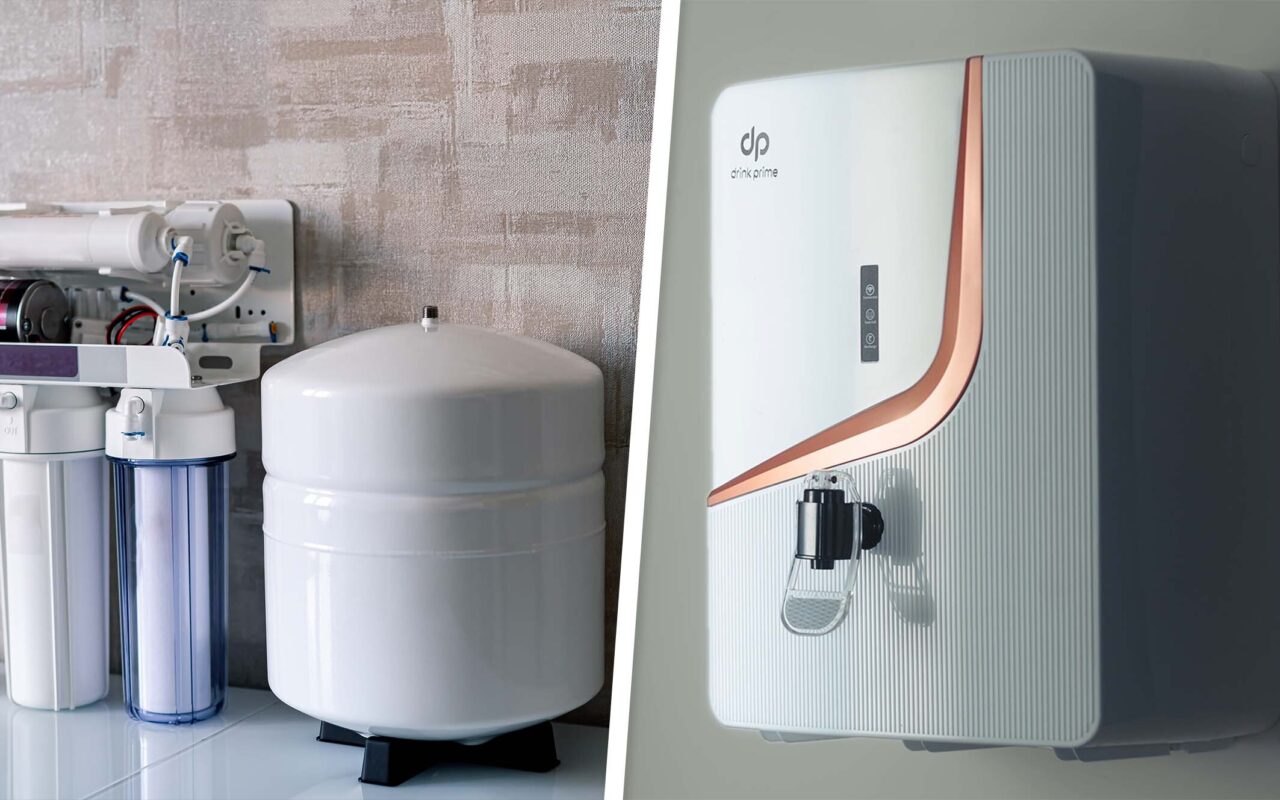
Traditional systems generally include a storage tank that holds treated water until it’s needed.
Tankless models produce water on demand and may offer space-saving advantages. Countertop units can also be an option for households where permanent plumbing modifications aren’t practical.
Pay attention to replacement filter availability and accessibility as well.
A system might look impressive in a showroom, but its real value depends on how comfortably it fits into your everyday life.
Better Water Can Make a Difference Beyond Drinking
Water doesn’t receive nearly enough attention as a cooking ingredient. Yet it plays an essential role in everything from homemade soups to freshly brewed beverages.
If your tap water has an unpleasant flavor, that characteristic can sometimes affect the food and drinks you prepare.
Appropriate filtration may provide a more neutral-tasting starting point, allowing the flavors of other ingredients to stand out.
Consider your morning coffee, for instance. You might spend extra money on quality beans without realizing that the water you’re using could influence the final cup.
Of course, some beverages benefit from a balanced mineral content. Personal taste matters, which explains why certain filtration systems include optional remineralization stages.
Could Reverse Osmosis Help Reduce Household Expenses?
Buying bottled water occasionally might not seem particularly expensive. But when an entire family depends on packaged water throughout the year, those purchases can add up.
Installing suitable drinking water filtration may help reduce recurring shopping expenses and eliminate some of the inconvenience associated with transporting and storing bottled water.
However, reverse osmosis equipment has its own operating costs.
Replacement cartridges, membrane servicing, and water consumption should all be considered. Some models also require electricity.
The filtration process produces reject water, so comparing water efficiency is worthwhile.
Rather than focusing exclusively on the initial purchase price, think about the total cost of ownership and how it compares with your current drinking water habits.
Keeping Your Drinking Water System in Good Condition
Once filtration equipment is installed, it’s remarkably easy to forget about it. Most systems operate quietly beneath the kitchen sink.
Nevertheless, regular maintenance is essential for dependable treatment.
Preliminary filters gradually accumulate debris or lose effectiveness, while membranes eventually require replacement. Certain components may also need periodic sanitization.
Following manufacturer servicing recommendations and keeping track of replacement dates can help maintain treatment performance.
Water testing remains important, particularly when equipment is intended to reduce potentially harmful contaminants.
Remember that improved taste alone doesn’t establish drinking water safety.
A little preventive care can help avoid unnecessary equipment problems and keep your system operating as intended.
Making Better Drinking Water an Everyday Comfort
Improving drinking water doesn’t need to involve elaborate equipment or major changes to your kitchen.
Begin with reliable water testing, understand your family’s consumption habits, and select a filtration system that addresses your specific concerns.
A thoughtfully chosen reverse osmosis system can bring practical benefits to your household while making drinking water more accessible.
Sometimes, the most worthwhile home improvements are surprisingly simple. Filling a glass after a tiring day, preparing your favorite meal, or enjoying a quiet morning coffee without an unpleasant aftertaste.
Better water is one of those everyday comforts that can quietly make life more enjoyable.