Clean water is something most of us take for granted until there’s a reason not to. We turn on the kitchen tap, fill a glass, and carry on with the day. But for homeowners using private wells, rural water supplies, or other sources that may be vulnerable to microbial contamination, water safety can require a little more attention.
There are several ways to treat drinking water, and each serves a different purpose. Filtration can remove particles, certain filters reduce specific chemicals, and disinfection methods target harmful microorganisms. Ultraviolet treatment is one option worth understanding, particularly when the goal is to help make microbiologically unsafe water safer to use.
The key is knowing what this technology can do, where it fits into a treatment setup, and what it needs to work properly.
How Ultraviolet Water Treatment Works
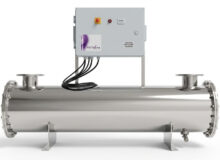
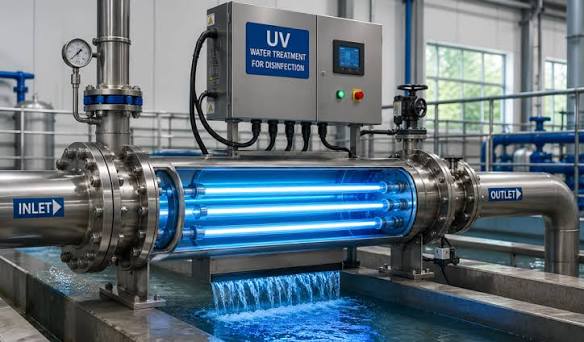
Ultraviolet (UV) water treatment uses light at a specific wavelength to inactivate microorganisms. When water passes through a UV chamber, the light damages genetic material in susceptible bacteria, viruses, and protozoa, preventing them from reproducing effectively. The process does not rely on adding a disinfecting chemical to the water.
This can make UV treatment an appealing option for households that want an additional barrier against microbial contamination without changing the taste or smell of their water. Unlike some chemical disinfection methods, UV treatment generally leaves no disinfectant residual in the water as it travels through the plumbing.
However, there’s an important distinction: UV treatment disinfects water, but it does not remove dissolved minerals, sediment, metals, or most chemical contaminants. It also doesn’t automatically make water from an unknown source safe. The system must be appropriately designed, installed, and maintained, and the water may need other treatment before it reaches the UV chamber.
When UV Treatment May Be Useful
Private wells can be affected by surface runoff, damaged well caps, nearby septic systems, flooding, and other environmental conditions. Even a well that has supplied a household for years without an obvious problem can become contaminated after heavy rain or changes in the surrounding area.
In such situations, ultraviolet water systems may provide an additional disinfection barrier when testing indicates a microbial risk or when a qualified water professional recommends UV treatment. They’re also used in some commercial and residential applications where controlling microorganisms is an important part of water management.
Still, a UV unit should not be selected simply because it sounds like an extra layer of protection. Start by testing the water. If bacteria are present, investigate the source of contamination and address it wherever possible. UV treatment can be useful, but it shouldn’t become an excuse to ignore a damaged well, leaking septic system, or unsafe storage tank.
Local public health authorities may recommend specific actions following a contamination event, so follow their guidance when applicable.
Why Pretreatment Matters
One of the biggest misunderstandings about UV treatment is the belief that the light will work equally well in any water. In reality, water quality has a direct effect on how effectively ultraviolet light reaches microorganisms.
Cloudiness, suspended particles, iron, and other substances can interfere with light transmission. Particles may also shield microorganisms, making disinfection less reliable. That’s why some installations include sediment filtration or other pretreatment before water enters the UV chamber.
For example, a home with water containing substantial sediment may need a suitable filter upstream of the UV unit. If iron or hardness is also a concern, additional treatment might be required depending on the water analysis and equipment specifications.
The order of equipment matters, too. Installing components without considering flow rates, pressure, and water chemistry can undermine the entire arrangement. A professional assessment helps establish which stages are necessary and which would simply add cost without solving a real problem.
Choosing a System That Matches Your Needs
UV equipment comes in different capacities, and selecting the right model involves more than comparing prices or physical size. The system needs to handle the household’s expected water flow while providing the required UV dose under its rated operating conditions.
Think about how many people live in the home, how many bathrooms are used at once, and whether water demand rises sharply during certain parts of the day. A system that’s too small may not provide the intended treatment at higher flow rates. On the other hand, buying an unnecessarily large unit can increase costs without delivering a meaningful benefit.
Look for clear information about flow capacity, UV dose, lamp life, alarm features, and applicable performance certifications. Some systems provide audible or visual warnings if lamp output drops or a component fails. Those alerts can be particularly helpful because UV treatment doesn’t necessarily change the taste, color, or smell of water when something goes wrong.
Good planning supports optimized treatment performance by matching the equipment to actual water conditions and household demand, rather than relying on a generic recommendation.
Maintenance Is Essential, Not Optional
UV systems are often described as low-maintenance, but that doesn’t mean they can be installed and forgotten. The lamp gradually loses output over time, even if it continues to glow. Depending on the model and manufacturer’s instructions, replacement may be recommended after a specified operating period.
The quartz sleeve surrounding the lamp also needs attention. Mineral deposits or other buildup on its surface can reduce the amount of UV light reaching the water. Cleaning and inspection schedules depend on water quality and equipment design, so follow the manufacturer’s guidance rather than waiting until a problem becomes obvious.
Keep track of lamp replacement dates, inspect alarms, and make sure the system remains powered and operational. If a warning indicates a failure, don’t assume the water is still being disinfected properly. Follow the manufacturer’s instructions and use an appropriate alternative water source or approved treatment method when safety is uncertain.
A system designed for minimized maintenance hassle may include easy-access components, clear status indicators, and replacement parts that are simple to obtain. These features won’t eliminate maintenance, but they can make routine care less frustrating.
UV Treatment Has Limits
UV light is effective against many microorganisms when the system is correctly designed and operated, but it isn’t a universal water purifier. It does not remove lead, pesticides, salts, or other dissolved chemicals. It also doesn’t provide lasting protection against contamination that occurs farther downstream, such as in an unclean storage tank or compromised plumbing.
This is why testing remains important. A household may need UV disinfection alongside sediment filtration, activated carbon, or another treatment technology. The exact combination depends on what the water contains, not on how many pieces of equipment can fit into the utility room.
For drinking water concerns, use certified equipment appropriate to the specific treatment goal and have installation checked by a qualified professional when needed. After installation or repairs, testing can help confirm that the treatment arrangement is working as intended.
A Sensible Investment in Water Safety
Choosing a water treatment system can feel overwhelming when every product seems to promise cleaner, safer water. The simplest way forward is to begin with evidence. Test the supply, identify the risks, and decide which treatment methods address those risks directly.
UV treatment can be a valuable part of a household water safety plan, particularly where microbial contamination is a concern. Its effectiveness, though, depends on suitable pretreatment, correct sizing, reliable operation, and regular maintenance.
In the end, the best system isn’t necessarily the most expensive or the most complicated. It’s the one that suits your water, fits your household’s needs, and can be maintained properly over time. A little preparation now can help you make a more confident decision about the water you depend on every day.