Living in a home with its own well has a certain appeal. You’re not entirely dependent on a municipal water supply, and there’s something satisfying about having access to a natural resource beneath your land. Of course, when rusty stains start appearing in the bathtub or the kitchen faucet produces an unfamiliar smell, that independence comes with a few extra responsibilities.
For homeowners exploring well water treatment for central illinois, finding a dependable solution begins with understanding the unique characteristics of their water supply.
Every well tells a slightly different story. Some produce water that requires minimal treatment, while others need several filtration stages. Knowing the difference can save money, prevent frustration, and help you manage your water supply with greater confidence.
Why Well Water Requires a Different Approach
Unlike households connected to municipal water supplies, homeowners with wells are responsible for monitoring and maintaining their own water quality.
The characteristics of private well water can vary considerably depending on geological conditions, well construction, surrounding land use, and environmental factors.
Naturally occurring iron, manganese, calcium, and magnesium may influence water appearance, taste, and hardness. Other contaminants, including bacteria and nitrate, may be present without producing noticeable symptoms.
That’s why clear water shouldn’t automatically be considered safe drinking water.
Regular laboratory testing provides information that ordinary observation simply cannot. It also helps homeowners determine which treatment technologies are worth investing in and which might be unnecessary.
Getting to Know Where Your Water Comes From
It’s fascinating to consider the journey water takes before reaching your kitchen faucet. Rainwater moves through the ground, gradually passing through layers of soil and rock before becoming part of an underground water supply.
The groundwater beneath your property can absorb naturally occurring minerals and encounter contaminants as it travels through these formations.
Nearby agricultural activities, failing septic systems, and other environmental conditions may also influence groundwater quality.
Even neighboring wells can produce water with different characteristics.
For residents of Pekin and surrounding Central Illinois communities, understanding these variations is particularly useful when selecting treatment equipment.
Rather than assuming your neighbor’s filtration system will work equally well for your home, begin with an assessment of your own water.
Recognizing Common Well Water Problems Around the House
Sometimes, your water leaves clues in unexpected places.
Orange stains around bathroom fixtures may indicate iron. Dark discoloration could be associated with manganese, while chalky deposits around faucets often suggest hardness.
Then there’s the unmistakable rotten-egg smell that can make an otherwise relaxing shower considerably less enjoyable. Hydrogen sulfide or certain bacterial activity may contribute to this odor.
These observations are useful starting points, but they aren’t substitutes for proper testing.
Different forms of iron, for example, may require different treatment methods. Similarly, an unpleasant smell that occurs only when running hot water could originate inside the water heater.
Identifying where the problem begins can prevent unnecessary equipment purchases.
Choosing Treatment Equipment That Serves a Real Purpose
One of the biggest mistakes well owners can make is purchasing filtration equipment before understanding their water quality.
A sediment filter can capture suspended particles such as sand and silt, but it won’t effectively remove many dissolved substances.
Conventional water softeners address hardness by reducing calcium and magnesium. Specialized oxidation and filtration systems may help manage specific iron and sulfur concerns.
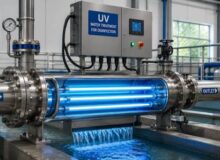
Ultraviolet disinfection can inactivate susceptible microorganisms when correctly installed and maintained under appropriate water conditions.
Dedicated reverse osmosis equipment may also help reduce certain dissolved contaminants in drinking water, depending on its verified capabilities.
Sometimes, several technologies need to work together.
The goal isn’t to fill your basement with impressive-looking equipment. It’s to create a treatment arrangement that addresses identified problems effectively.
Protecting Your Well Through Regular Testing
Water quality can change over time, even when your household consumption remains relatively consistent.
Seasonal weather conditions, flooding, well repairs, and changes in surrounding land use may influence an underground water supply.
Arrange laboratory testing at least annually for common concerns such as bacteria and nitrate, and discuss additional testing needs with an appropriate water quality professional.
Unexpected changes in taste, odor, or appearance should also prompt further investigation.
If harmful contamination is suspected or confirmed, use a verified safe alternative for drinking and cooking until the problem has been properly addressed.
Keeping a folder of previous laboratory results can help you recognize changes over the years.
Thinking About Everyday Maintenance and Operating Costs
A dependable treatment system should fit comfortably into your household routine.
Before purchasing equipment, ask about replacement cartridges, treatment media, electricity consumption, and professional servicing requirements.
Some systems require periodic backwashing, while others depend on regenerating salt or replacement ultraviolet lamps.
Consider your well pump’s capacity and household water pressure, too. Treatment equipment needs sufficient flow to operate properly without unnecessarily disrupting everyday activities.
A little planning beforehand can prevent frustrating maintenance problems later.
It’s also worth arranging follow-up testing to verify that your system continues addressing the original concerns. Better-looking water alone doesn’t necessarily confirm effective treatment.
Enjoying the Independence of a Well-Maintained Water Supply
Owning a well in Central Illinois doesn’t need to mean constantly worrying about water quality. With reliable testing, suitable treatment, and consistent maintenance, many common groundwater challenges can be managed effectively.
The improvements may become noticeable through fewer rusty stains, more pleasant showers, and less frustration with everyday household tasks.
More importantly, you’ll have a better understanding of the resource your family depends on.
Your well is more than a piece of infrastructure somewhere outside the house. It’s an essential part of your property, supporting everything from breakfast preparations to evening baths.
Looking after it thoughtfully allows you to enjoy the independence of your own water supply while taking its long-term quality seriously.