

Ever poured yourself a glass of water, only to catch a faint metallic tang or a whiff of chlorine? Maybe you’ve noticed your whites coming out of the wash looking a little… dingy. If that sounds familiar, you’re not alone—and your water might be trying to tell you something.
Clean water isn’t just about quenching your thirst. It’s about health, home comfort, and peace of mind. But most of us don’t question what’s flowing from our taps until something feels off. That’s where the real conversation starts.
It Starts with a Test: Don’t Guess, Know
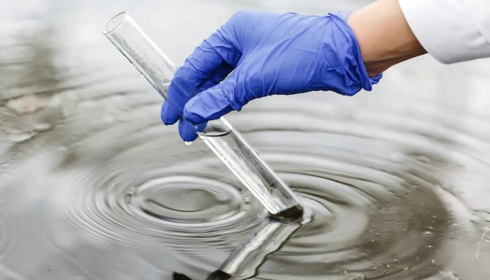
Let’s get something straight: you can’t fix what you can’t see. You might suspect your water isn’t perfect, but without proper testing, it’s just a guessing game. That’s why water testing services are so valuable. These aren’t just some “fancy filter company gimmick”—they’re the foundation of smart water treatment.
A good test checks for things like pH imbalance, iron, bacteria, hardness, chlorine, heavy metals, and even nasty stuff like PFAS. Some companies offer free in-home tests, while others send samples to certified labs. The key is getting real data about your water before jumping into solutions.
Testing takes the mystery out of the equation. It gives you the clarity (pun intended) to make choices that actually work for your home, your health, and your wallet.
Iron & Bacteria: The Sneaky Troublemakers
Here’s a scenario: your sinks are stained orange, your clothes look like they’ve aged a decade, and your water smells like old pennies. Yep, that’s probably iron. Now add slime in your toilet tanks and occasional odor, and you might also be dealing with iron bacteria.
These two issues often go hand in hand, especially in well systems. And while they’re not necessarily harmful to your health, they are harmful to your plumbing, your appliances, and your overall quality of life.
Modern water treatment systems can remove iron and bacteria effectively—without using harsh chemicals. Oxidation filters, backwashing systems, and ultraviolet disinfection units all have their place depending on your water test results. The goal isn’t overkill. It’s precision.
The Chlorine Trade-Off: A Necessary Evil?
If your water comes from the city, odds are it’s chlorinated. And sure, chlorine kills bacteria—that’s a win. But it also comes with side effects: dry skin, eye irritation, faded clothing, and that unmistakable swimming pool taste.
You might’ve gotten used to it, or maybe you try to “air out” your drinking water in a jug. But wouldn’t it be better to just treat it at the source?
Today’s filters—especially carbon-based whole-house systems—can reduce chlorine and contaminants without removing the good minerals your body needs. No more dry hands after washing. No more bottled water runs. Just clean, comfortable water throughout your entire home.
When Water Isn’t Just Water
We often forget how much we depend on water beyond drinking it. It touches everything—showers, cooking, laundry, dishes, pets, even watering your plants.
Poor water quality affects more than your taste buds. It causes buildup in pipes, wears down appliances, fades your clothing, and can even cause respiratory irritation from vapors released in steamy showers. If you’ve ever questioned why your soap won’t lather or your dishes come out with spots, water quality could be to blame.
And let’s talk money. Replacing burnt-out water heaters or constantly scrubbing scale off fixtures adds up over time. Treating your water might feel like an upfront investment, but it often pays off in savings, efficiency, and daily comfort.
Real Homes, Real Fixes
Every home has a different water story. That’s why cookie-cutter filters from a big-box store might not cut it. Some homes need softeners. Others need sediment filters, carbon cartridges, UV sterilization, or even reverse osmosis setups for drinking water.
The key is not to overthink—or overspend. With a proper test and a knowledgeable provider, your treatment can be tailored exactly to your needs. No fluff. No upsells. Just better water.
A Human Touch to a Technical Topic
It’s easy to get lost in the technical jargon of water treatment. You’ll hear terms like GPM, micron ratings, TDS, or regeneration cycles. But here’s the deal: you don’t have to become a water engineer to make smart choices.
What you need is someone who listens—someone who takes the time to explain your water issues without talking over your head. A good provider makes you feel heard, not hustled. They walk you through options, explain what’s necessary and what’s not, and help you make a plan that fits your home, your health, and your budget.
Final Thoughts: Clarity is Everything
We’ve all been conditioned to believe that water from the tap is “good enough.” But in today’s world, “good enough” isn’t really cutting it anymore—not if you care about long-term health, home care, and comfort.
If your water tastes funny, smells off, leaves residue, or just makes you feel uneasy, don’t ignore it. Start with a test. Learn what’s in your water. Then make an informed choice on how to treat it.